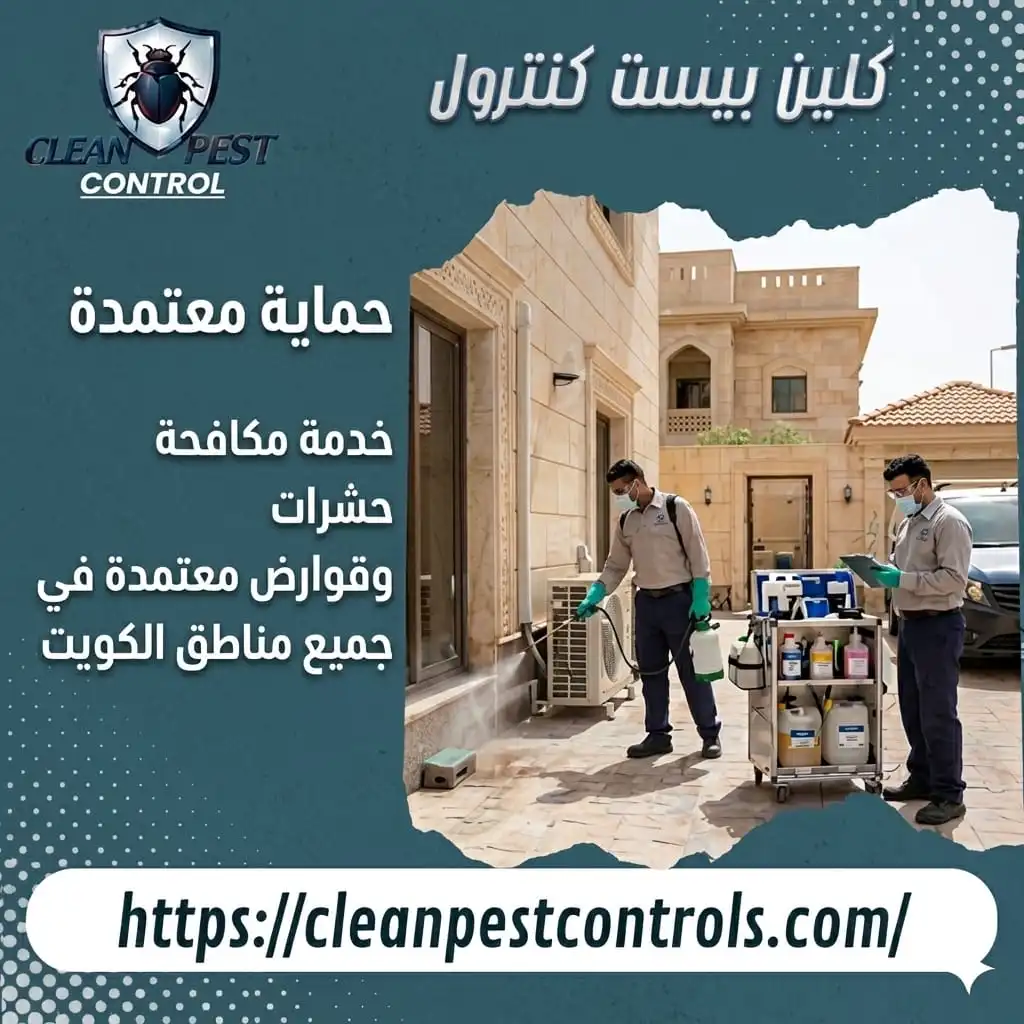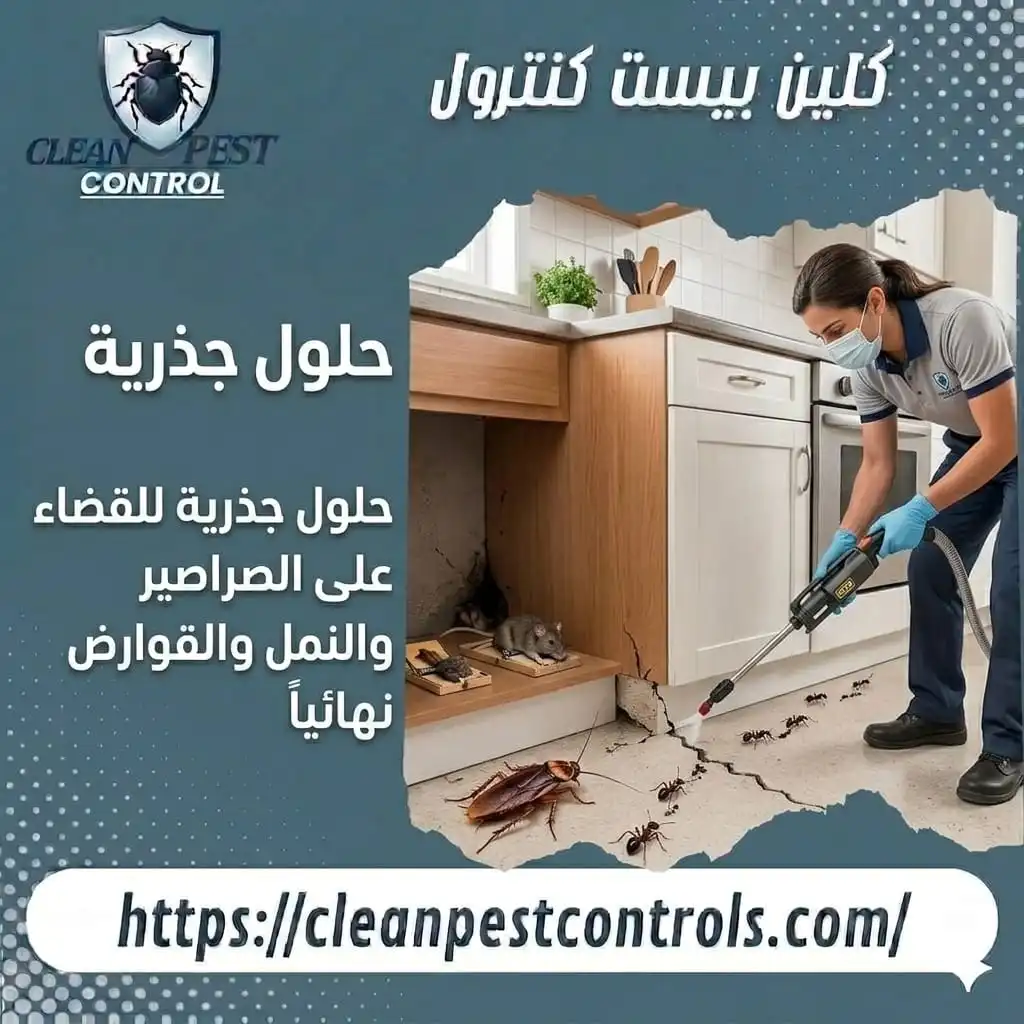
Many people believe that the success of pest control depends only on the type of pesticide being used. However, practical field experience proves that the biggest reason insects return after treatment is that important locations inside the home are often overlooked during the spraying process. Floors and visible rooms may receive complete treatment while hidden spaces behind appliances, beneath kitchen cabinets or around service openings remain untouched. These neglected areas gradually become safe shelters where insects survive before spreading throughout the house again. That is why professional pest control companies focus far more on identifying hiding places and movement routes than on simply increasing the amount of pesticide applied. The more accurate the inspection, the more effective and longer-lasting the preventive program becomes.
Pest Spraying Areas

When discussing Pest Spraying Areas, many homeowners assume that spraying should be limited to floors and the corners of rooms. In reality, insects do not move randomly throughout the house. Instead, they constantly search for dark, quiet locations that are close to food sources, moisture and shelter. Because of this, selecting the correct treatment locations is far more important than applying larger amounts of pesticide.
Professional companies identify the proper Pest Spraying Areas only after conducting a complete inspection of the property. They evaluate the layout of kitchens, bathrooms, utility rooms and service areas while carefully inspecting spaces behind household appliances, beneath cabinets and around plumbing and utility penetrations. These hidden locations are frequently ignored by homeowners even though they provide ideal environments where insects can survive unnoticed.
Based on extensive field experience gained from thousands of residential inspections throughout Kuwait, most recurring pest problems are not caused by ineffective pesticides. Instead, they occur because hidden areas were excluded from the original preventive treatment program, allowing insects to survive and eventually spread back into the living areas.
When determining Pest Spraying Areas, professionals focus on:
- Studying the property's layout before beginning treatment.
- Identifying insect movement routes rather than only visible activity.
- Reaching hidden locations that homeowners rarely notice.
- Implementing a preventive program that covers every critical area.
- Performing a complete inspection after treatment has been completed.
- Advising homeowners about locations that may require future monitoring.
Every successful pest control program begins by identifying the correct treatment locations before considering how the pesticide will be applied.
Most Common Insect Locations
Insects are rarely found where homeowners expect them to be, which is why understanding the Most Common Insect Locations helps explain why pest activity sometimes returns after previous treatments. By nature, insects seek warmth, moisture, darkness and protection. As a result, they often establish themselves in locations that appear unimportant to homeowners while providing ideal living conditions from the insects' perspective.
The Most Common Insect Locations vary from one property to another depending on the home's design and daily use. Nevertheless, certain areas repeatedly appear during professional inspections, including utility spaces, areas beneath kitchen cabinets, locations behind major household appliances, spaces surrounding plumbing systems and enclosed corners that receive little regular cleaning or movement.
During thousands of field inspections across Kuwait, pest control specialists have consistently observed that homeowners usually focus on the location where an insect was first seen. In reality, the actual source of the infestation is often hidden elsewhere within the property. This is why professional treatment always begins by locating the true hiding place rather than simply addressing the visible activity.
When inspecting the Most Common Insect Locations, professionals examine:
- Areas close to water sources.
- Locations that are difficult to clean regularly.
- Hidden spaces behind large household appliances.
- Utility openings and plumbing penetrations.
- Enclosed corners with little daily activity.
- Routes insects use while moving between different rooms.
Understanding insect behavior makes it possible to eliminate the real source of the problem instead of treating only its visible symptoms.
Spraying Behind the Refrigerator

Spraying Behind the Refrigerator is one of the most commonly overlooked parts of residential pest control, even though this location often provides favorable conditions for certain insects due to limited human activity, the warmth generated by the appliance and the gradual accumulation of dust or moisture over time.
Professional Spraying Behind the Refrigerator does not involve moving the appliance carelessly or applying pesticides without preparation. Instead, this area is evaluated as part of the complete preventive program. Technicians inspect the surrounding spaces carefully while ensuring safe access without damaging household appliances or nearby utilities.
Practical field experience has shown that neglecting this location has been responsible for persistent insect activity in many homes despite complete treatment throughout the remainder of the kitchen. In these cases, insects continued using the untreated space behind the refrigerator as their primary shelter before spreading back into surrounding areas.
When performing Spraying Behind the Refrigerator, professionals typically:
- Inspect the entire area before beginning treatment.
- Remove accumulated dust and debris whenever necessary.
- Treat surrounding hidden spaces thoroughly.
- Include this location within the complete preventive program.
- Review treatment results before finishing the visit.
- Advise homeowners on maintaining cleanliness behind the appliance.
Paying attention to hidden locations that are rarely seen during everyday life often makes the difference between temporary pest control and a long-lasting professional solution.
Spraying Under the Sink
Spraying Under the Sink is one of the most frequently neglected steps during residential pest control, even though this location is one of the most attractive environments for insects. Plumbing connections, drain pipes and occasional moisture from small leaks that often go unnoticed create ideal conditions where insects can hide and remain active for long periods. Simply spraying the kitchen floor while ignoring the cabinet beneath the sink often leaves one of the primary sources of the problem untreated.
Professional Spraying Under the Sink involves much more than applying pesticides. The process begins with a complete inspection of the area to check for plumbing leaks, poorly sealed pipe openings and unnecessary stored items that may provide excellent hiding places for insects. Once these conditions have been evaluated, the area is incorporated into the property's complete preventive pest management program to reduce the likelihood of future insect activity.
Based on extensive practical experience in residential properties throughout Kuwait, many recurring kitchen infestations have been traced back to neglected spaces beneath sinks, even though the remainder of the house had already received professional treatment.
When performing Spraying Under the Sink, professionals focus on:
- Inspecting all plumbing connections for hidden leaks.
- Checking pipe penetrations to ensure they are properly sealed.
- Removing unnecessary items and accumulated debris from storage areas.
- Treating spaces surrounding plumbing installations professionally.
- Including this location within the complete preventive program.
- Advising homeowners on keeping the area clean and dry to reduce conditions that attract insects.
Proper attention to this relatively small area often prevents insects from returning to the kitchen after treatment has been completed.
Spraying Drain Openings
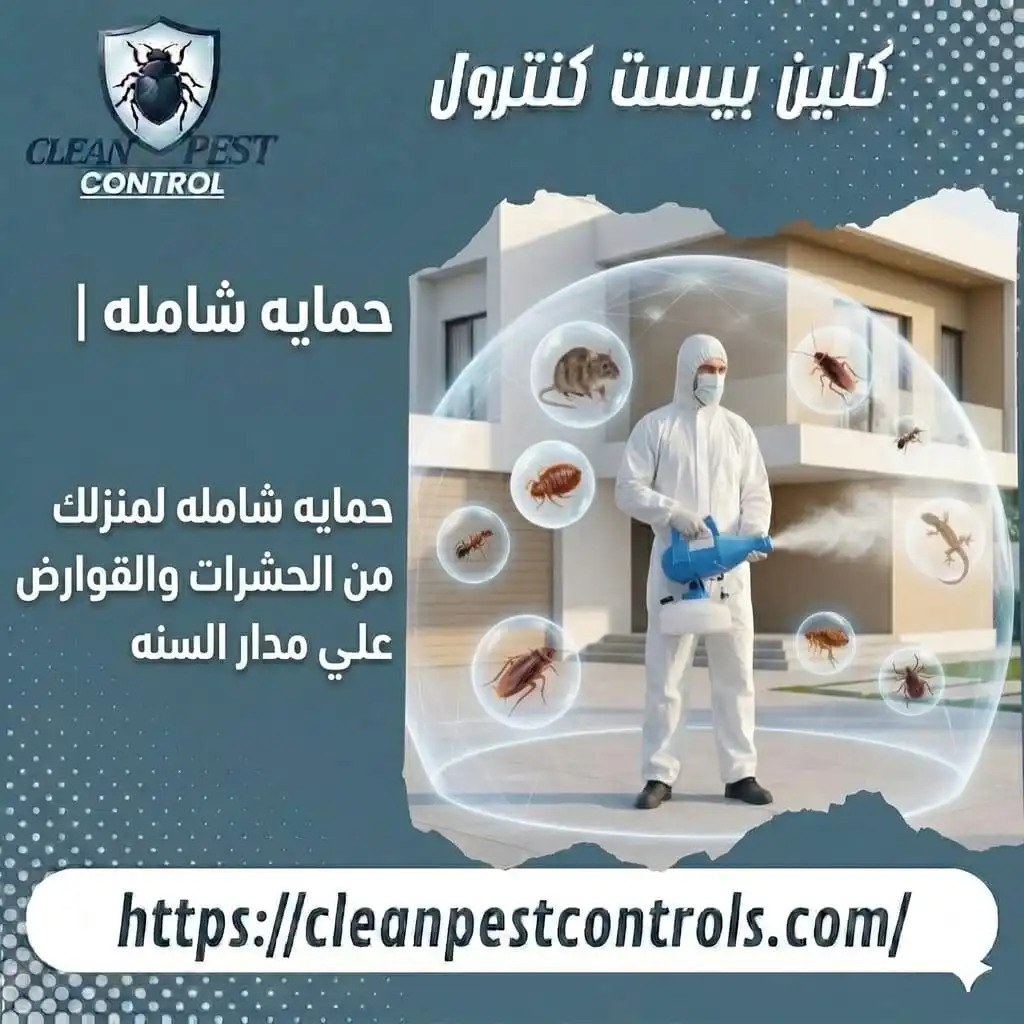
Spraying Drain Openings is an essential part of professional pest management because many insects use drainage systems and surrounding openings as movement routes throughout residential buildings. If drain covers are damaged, poorly sealed or constantly exposed to moisture, these areas can become convenient entry and exit points for various household pests. Professional pest control programs therefore never ignore them.
Effective Spraying Drain Openings involves much more than applying pesticide directly into the drain itself. Specialists first evaluate the visible drainage system, inspect drain covers, verify that openings are properly sealed and carefully examine the surrounding areas that could provide insects with access to the property.
Field experience has repeatedly demonstrated that many homeowners notice temporary improvements after treatment only to see insects return a short time later. Professional inspections often reveal that drain openings were completely excluded from previous pest control programs, allowing insects to continue moving throughout the home.
Professional Spraying Drain Openings includes:
- Inspecting every drain opening throughout the property.
- Checking drain covers to ensure they remain in good condition.
- Treating surrounding areas whenever appropriate.
- Incorporating drain openings into the overall preventive program.
- Providing recommendations for maintaining clean drainage systems.
- Suggesting periodic inspections whenever necessary.
Ignoring these important locations can significantly reduce the effectiveness of even the highest-quality pest control program.
Insect Hiding Places
Understanding Insect Hiding Places is one of the most important factors in successful pest control because insects spend most of their time hidden in secure locations before emerging to search for food and water. Seeing an insect in the middle of a room does not necessarily mean that it lives there. In many cases, it has traveled from a completely different location somewhere else inside the property.
The Insect Hiding Places found in each home vary according to the type of insect and the property's layout. However, professional inspections repeatedly identify similar locations including spaces behind cabinets, beneath household appliances, around plumbing installations, behind fixed wall panels and inside concealed structural gaps that are rarely disturbed during normal cleaning.
Thousands of residential inspections have consistently shown that locating these hidden areas is what ultimately determines the success of a preventive pest control program. Treating only the places where insects become visible usually provides temporary relief while allowing the original hiding places to remain active.
When searching for Insect Hiding Places, professionals inspect:
- Hidden spaces behind fixed furniture and cabinets.
- Areas surrounding plumbing and electrical penetrations.
- Dark locations with very little daily activity.
- Spaces beneath household appliances.
- Corners that are difficult to reach during routine cleaning.
- Any location that provides warmth, moisture or protection.
The more accurately insect hiding places are identified, the more reliable and long-lasting the results of professional pest control become.
Kitchen Spraying

Kitchen Spraying is one of the most important stages of residential pest control because the kitchen naturally combines the three conditions that attract many household insects: food, water and warmth. For this reason, successful treatment is never based on spraying every visible surface. Instead, professional pest control depends on understanding insect movement patterns and identifying the routes they use to reach food and moisture.
Professional Kitchen Spraying always begins with a thorough inspection. Technicians carefully examine kitchen cabinets, the spaces beneath them, areas behind household appliances, plumbing installations and any structural gaps or service openings that could allow insects to enter or hide. The objective is not to apply more pesticide but to ensure that the preventive program reaches the locations where insect activity is actually concentrated.
Based on extensive experience working in homes throughout Kuwait, kitchens treated according to a carefully planned inspection consistently produce better long-term results than quick treatments focused only on visible surfaces. Insects usually remain hidden in protected locations and emerge only when the environment becomes quiet, making professional inspection essential.
When performing Kitchen Spraying, professionals focus on:
- Inspecting every kitchen cabinet before treatment begins.
- Examining the spaces behind major household appliances.
- Checking plumbing systems for leaks or moisture.
- Treating hidden gaps and enclosed corners as part of the preventive program.
- Reviewing treatment quality before completing the visit.
- Providing homeowners with recommendations that help reduce conditions attractive to insects.
A successful kitchen treatment depends on understanding insect behavior rather than relying on indiscriminate pesticide application.
Residential Pest Control
Residential Pest Control differs significantly from pest management in commercial or industrial facilities because homes are living environments that require carefully planned treatment programs designed to balance effectiveness with practical day-to-day living. Professional companies therefore begin by understanding the home's layout, the number of rooms, utility areas and environmental conditions that may encourage insect activity.
Professional Residential Pest Control should never begin only after the first insect appears. Instead, the objective is to determine why insects entered the property in the first place. The cause may be an unsealed structural opening, persistent moisture or a hidden shelter that has gone unnoticed. Eliminating these underlying conditions provides much more stable long-term results than treating visible insect activity alone.
Extensive field experience has shown that preventive programs built upon detailed inspections and careful identification of risk factors consistently provide longer-lasting protection because they target the conditions that allow insects to survive inside the property.
Professional Residential Pest Control generally includes:
- Conducting a comprehensive inspection of every part of the home.
- Identifying pest entry points and movement routes.
- Selecting a treatment program suited to the property's condition.
- Treating insect hiding places rather than only visible activity.
- Providing preventive recommendations after treatment.
- Suggesting periodic follow-up inspections whenever appropriate.
Every home has unique characteristics, making a customized treatment plan essential for long-term success.
Preventing Insects from Returning
The primary objective of every successful pest management program is Preventing Insects from Returning. Eliminating insects that are currently visible is only one part of the solution. Unless the conditions that originally attracted them are corrected, new insect activity may eventually develop even after professional treatment has been completed.
Professional Preventing Insects from Returning therefore depends on much more than pesticide application. Effective prevention includes maintaining the property, sealing structural openings, controlling moisture, improving sanitation and monitoring locations that previously showed signs of insect activity. When these preventive measures are combined with a professionally designed treatment program, the likelihood of future infestations is greatly reduced.
Practical field experience has consistently demonstrated that homeowners who follow preventive recommendations after treatment enjoy significantly longer-lasting results than those who rely solely on pesticide application without addressing the environmental conditions that attract insects.
To achieve effective Preventing Insects from Returning, professionals recommend:
- Eliminating the causes of insect activity rather than treating only the visible insects.
- Keeping moisture-prone areas clean and dry.
- Sealing structural gaps and possible insect entry points.
- Maintaining regular cleaning of hidden areas.
- Scheduling preventive inspections whenever necessary.
- Following all professional recommendations after treatment has been completed.
Continuous prevention is the key factor that preserves the effectiveness of professional pest control while minimizing the possibility of future insect activity.
Correct Spraying Locations
Knowing the Correct Spraying Locations is what truly separates a temporary pest control treatment from a professional program that delivers long-lasting results. Many homeowners believe that applying more pesticide over a larger area automatically produces better protection. In reality, years of field experience show that success depends far more on selecting the right treatment locations than on the quantity of pesticide being applied. Insects travel through predictable routes and establish themselves in specific hiding places. If these critical locations are overlooked, even the highest-quality pesticide will not achieve the desired outcome.
Professional companies determine the Correct Spraying Locations only after carrying out a detailed property inspection. The home's layout, room configuration, service areas, moisture conditions and potential entry points are carefully evaluated before a customized treatment plan is developed. This professional approach differs completely from random spraying that targets only the places where insects happen to be seen.
After many years of providing residential pest control services throughout Kuwait, practical experience has consistently shown that homes where spraying locations are selected through detailed on-site assessment achieve much more stable long-term results. The treatment addresses the true source of the problem instead of simply reacting to visible insect activity.
Professional Correct Spraying Locations commonly include:
- Areas where insects regularly travel throughout the property.
- Hidden spaces behind household appliances and built-in cabinets.
- Locations surrounding plumbing, drainage and service penetrations.
- Moisture-prone areas whenever appropriate.
- Potential insect entry points identified during inspection.
- Additional locations recommended by the technician after evaluating the entire property.
Selecting the correct treatment locations from the beginning saves time while giving the preventive program the greatest possible chance of long-term success.
Why Is Clean Pest Control the Best Pest Control Company in Kuwait?

Clean Pest Control does not perform pesticide application according to a fixed checklist of locations. Every service begins with a detailed inspection to understand the home's design, identify insect activity and determine the hidden locations where pests are actually living. Because every property is different, treatment plans are customized rather than copied from previous projects.
The company's technicians pay particular attention to locations that many homeowners overlook, including spaces behind appliances, beneath kitchen cabinets, around plumbing systems, utility openings and other concealed areas that frequently become primary insect shelters. Every preventive program is developed through practical field experience and professional assessment instead of relying on random pesticide application or excessive chemical use.
After many years of providing residential pest control services across Kuwait, Clean Pest Control has earned the trust of homeowners through accurate diagnosis before treatment, transparent communication, carefully planned implementation and continued guidance after the work has been completed. Every recommendation is based on the actual condition of the property, helping homeowners maintain effective long-term protection.
What makes Clean Pest Control different includes:
- Professional property inspections before every treatment program.
- Accurate identification of insect hiding places and movement routes.
- Customized pest management programs for every home.
- Extensive experience with apartments, houses and villas throughout Kuwait.
- Organized implementation according to professional industry standards.
- Ongoing preventive recommendations that help minimize the likelihood of future infestations.
These strengths have made Clean Pest Control one of Kuwait's most trusted choices for homeowners looking for professional solutions that eliminate the true source of pest problems rather than simply treating visible symptoms.
Conclusion
Successful pest control is never determined by the amount of pesticide applied or the speed of the treatment. The real key is identifying the hidden places where insects live and the routes they use to move throughout the home. Overlooking just one location—such as the space behind the refrigerator, beneath the sink or around drain openings—can allow insects to survive and eventually return even after a complete treatment has been carried out. For this reason, choosing a professional company with the experience to locate hidden insect shelters and movement pathways provides much more reliable long-term protection while reducing the need for repeated pest control visits. When accurate inspection, professional implementation and preventive recommendations work together, homeowners enjoy a cleaner, safer and more comfortable living environment for years to come.
Frequently Asked Questions
Why do insects return even after the entire house has been sprayed?
In many cases, insects return because important hiding places or primary entry points were not included in the original treatment program rather than because the pesticide itself was ineffective.
Is spraying only the places where insects are seen enough?
No. The place where an insect is seen is often very different from the location where it actually hides. Successful pest control requires treating movement routes and hidden shelter areas as well as visible activity.
Which areas are most commonly forgotten during pest control?
The most frequently overlooked locations include the space behind the refrigerator, beneath the sink, around drain openings, behind large appliances, behind cabinets and surrounding plumbing or utility penetrations.
Are spraying locations the same in every home?
No. Every property has a unique design, room arrangement, utility layout and surrounding environment. Professional technicians determine the correct spraying locations only after performing a detailed on-site inspection.
How can homeowners reduce the chance of insects returning after treatment?
The best approach is to eliminate the underlying causes of insect activity, maintain hidden areas properly, seal structural openings, reduce moisture, keep the property clean and carefully follow the recommendations provided by the pest control specialists after the treatment has been completed.