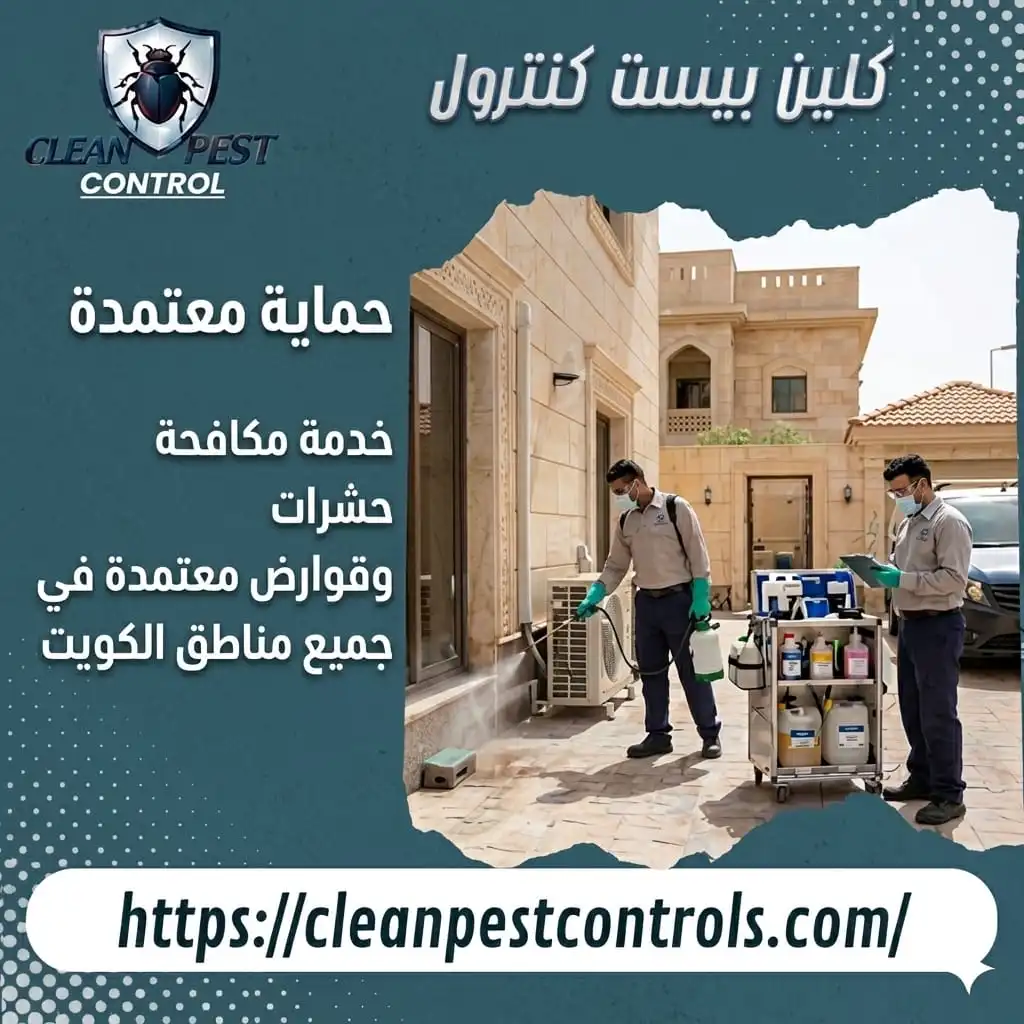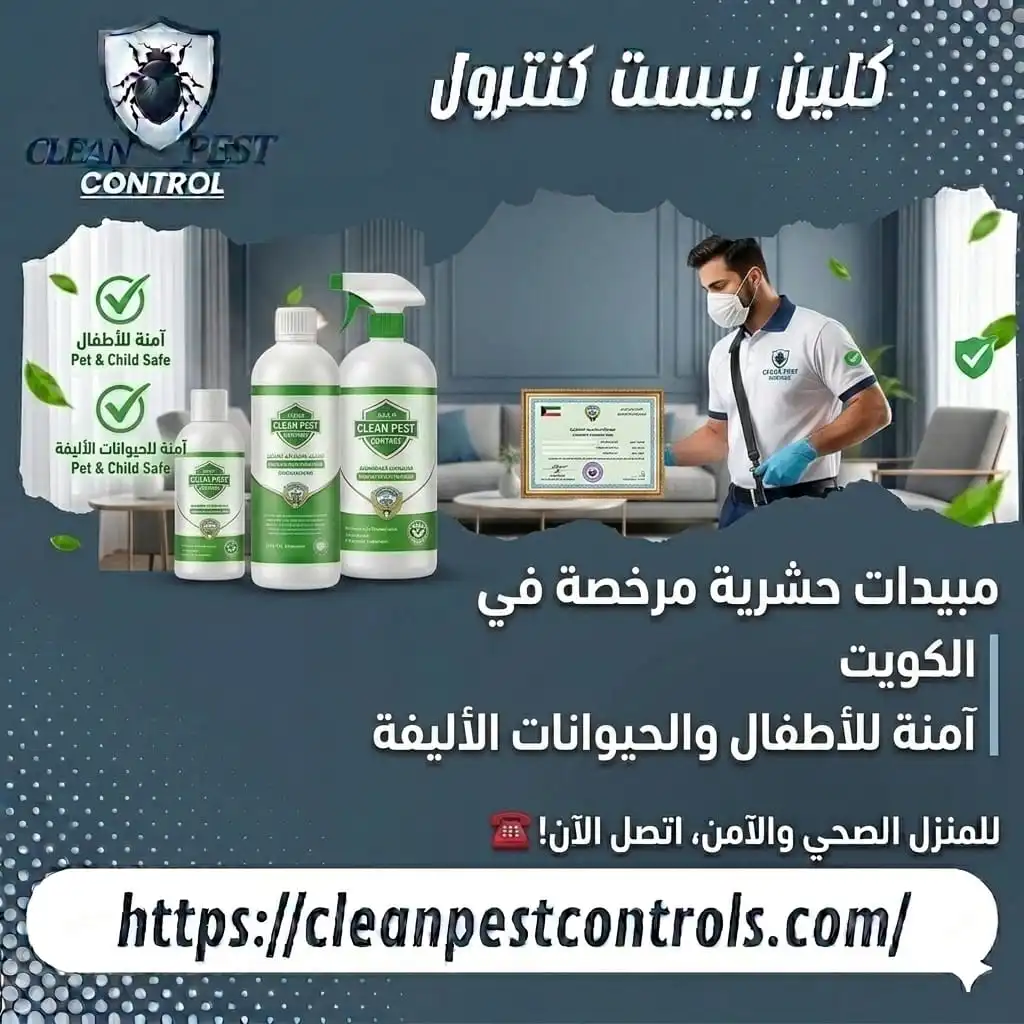
When most people hear the term "insecticide," they assume that every pest control product works in exactly the same way. In reality, professional pest management relies on a wide range of treatment materials and application methods, each specifically developed for particular pest species and infestation conditions. Selecting the wrong product may produce disappointing results even if it is one of the highest-quality products available on the market. On the other hand, choosing the correct treatment and applying it professionally delivers faster, longer-lasting control while minimizing unnecessary pesticide use. This is why Clean Pest Control always begins with a thorough inspection before selecting any treatment material, ensuring that every client receives the solution best suited to their specific infestation instead of applying the same approach to every situation.
Types of Pest Control Products Used Around the World
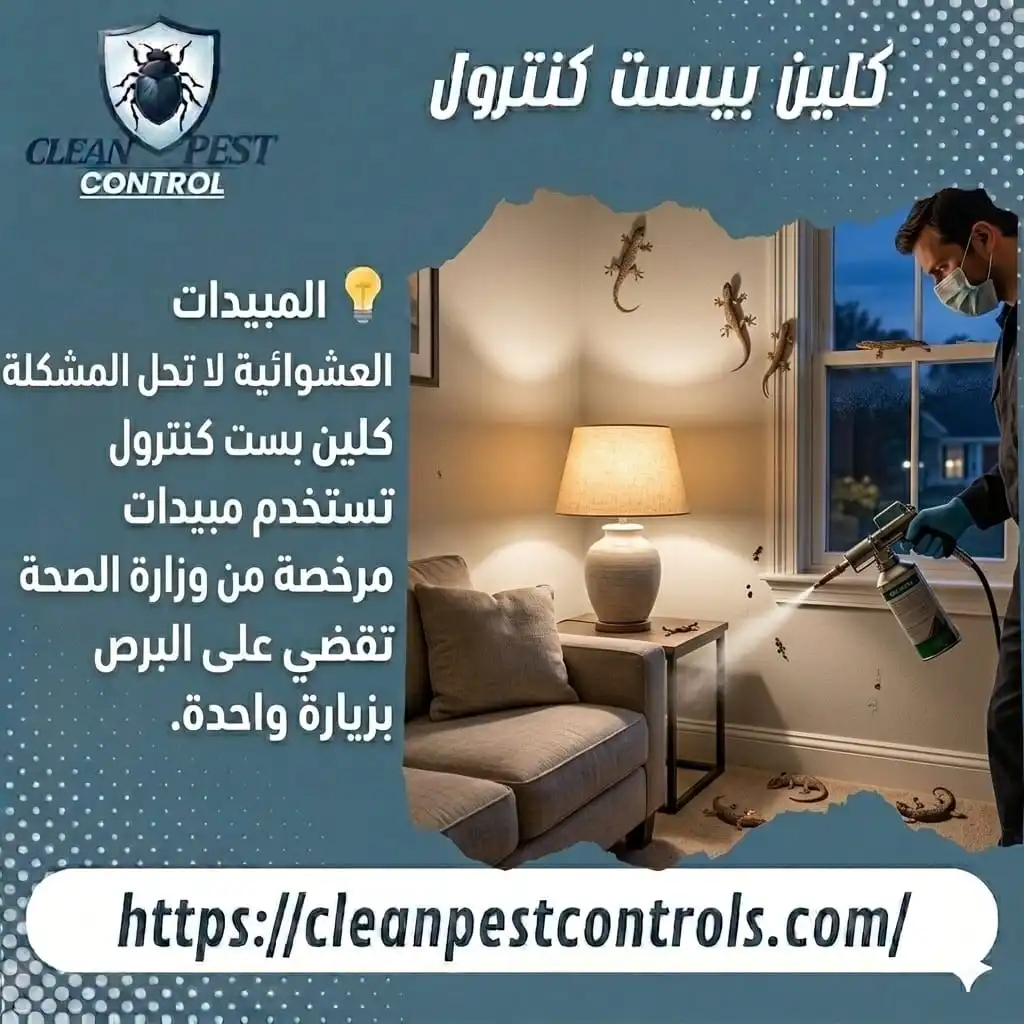
The pest control industry has evolved dramatically over the past several decades. Professional companies no longer rely solely on conventional liquid spraying. Instead, modern pest management combines numerous treatment technologies including liquid insecticides, gel baits, toxic baits, natural products, steam treatments, thermal fogging systems and many other specialized methods selected according to the pest species and the environment being treated.
The purpose of this wide variety of treatment options is to maximize effectiveness while minimizing the amount of pesticide required. Every technique offers unique advantages that make it particularly suitable for certain infestation types. Some products provide rapid knockdown of active insects, while others spread throughout insect colonies, eliminate breeding populations or provide long-term residual protection.
Practical field experience consistently demonstrates that the most successful pest control programs combine multiple treatment techniques rather than relying upon a single product.
The most common professional pest control materials include:
- Liquid insecticides
- Professional insect gels
- Toxic bait systems
- Fumigation treatments
- Hot steam applications
- Natural control products
- Thermal fogging
- Cold fogging systems
This diversity allows professional companies to select the most appropriate solution for every infestation with maximum precision.
Liquid Insecticides: The Most Common Professional Treatment
Liquid insecticides remain the most widely used pest control method throughout the world because they effectively manage a broad range of pests across homes, villas, offices, warehouses and commercial facilities. One of their greatest advantages is the ability to treat large surface areas efficiently while reaching many locations where insects actively travel.
These products work by creating treated surfaces that insects contact during normal movement. Once pests crawl across these areas, they absorb the active ingredient according to the product's mode of action. Some formulations provide rapid elimination while others leave long-lasting residual protection that continues reducing future infestations for extended periods.
However, successful liquid treatment depends far more on selecting the correct dosage and applying it in the proper locations than simply choosing a powerful product. Random spraying often produces disappointing results regardless of product quality because treatment fails to reach the insects' primary activity zones.
Major advantages of liquid insecticides include:
- Effective against numerous pest species
- Suitable for treating large surface areas
- Long-lasting protection with selected formulations
- Easily combined with other treatment methods
- Appropriate for residential and commercial properties
- Efficient application using professional equipment
For these reasons, liquid insecticides remain one of the most important components of modern integrated pest management when applied correctly.
Insect Gel: Why Is It the Best Choice for Cockroaches?
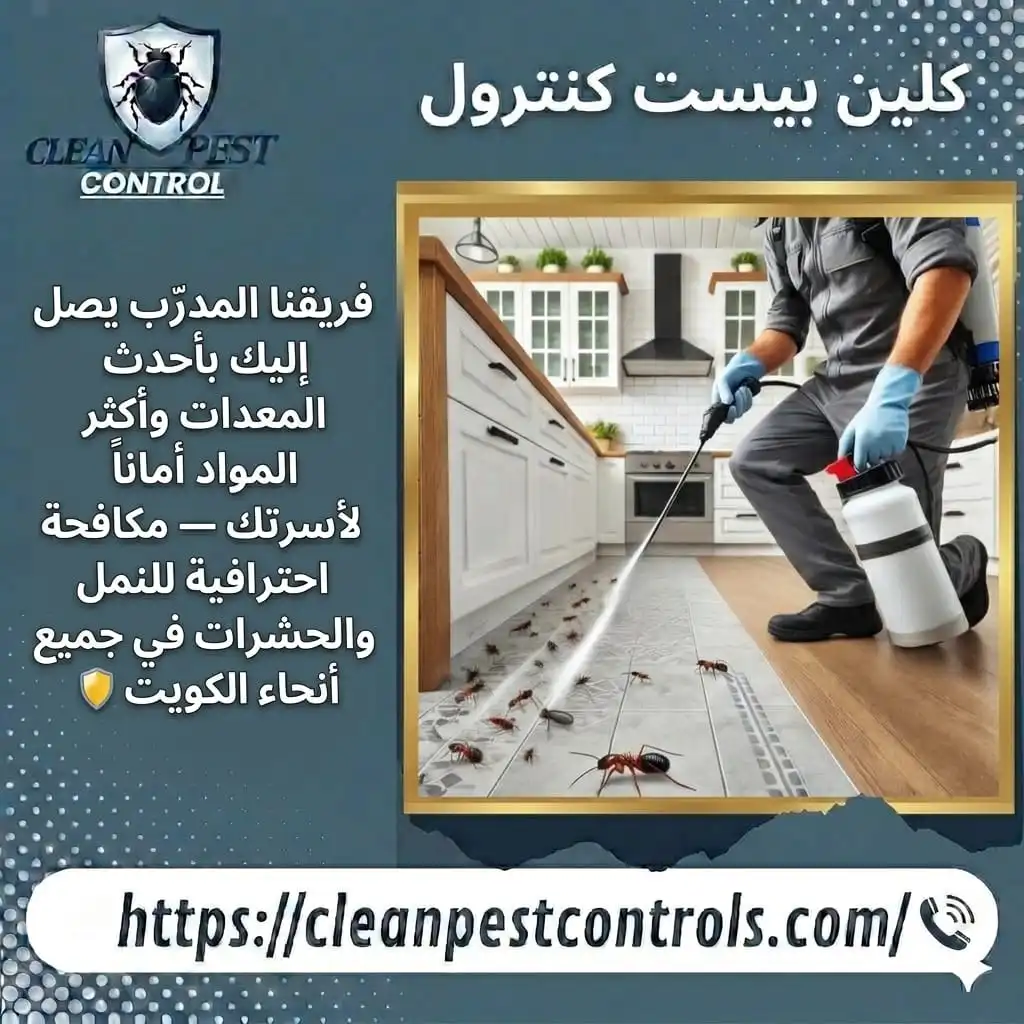
Professional insect gel has transformed cockroach management, particularly when controlling German cockroaches that commonly infest kitchens, cabinets and electrical appliances. Unlike conventional spraying, gel treatments attract cockroaches directly to the bait instead of coating entire surfaces with insecticides.
After consuming the bait, contaminated cockroaches carry the active ingredient back into the colony, allowing secondary exposure to other individuals that never fed directly on the gel. This unique transfer effect makes gel treatments exceptionally effective inside locations where spraying is difficult or where minimizing pesticide application is highly desirable.
Gel can also be placed discreetly inside cracks, wall voids, cabinet joints and behind appliances without interfering with normal daily activities. This makes it especially valuable for restaurants, hotels, food preparation facilities and residential kitchens.
The primary advantages of insect gel include:
- Outstanding effectiveness against cockroaches
- Reaches hidden colony members
- Eliminates the need for widespread spraying
- Ideal for kitchens and electrical equipment
- Requires only small treatment quantities
- Provides long-lasting control when professionally applied
These advantages make professional gel treatments one of the most successful cockroach management techniques available today.
Toxic Baits: How They Work and Where They Are Used
Toxic bait systems represent one of the most advanced pest management technologies because they do not depend on insects contacting sprayed surfaces. Instead, they utilize the natural feeding behavior of pests. Insects actively search for food, consume the bait and then carry the active ingredient back into their colonies, where it spreads among other members. This approach delivers outstanding results against colony-forming pests such as ants and certain cockroach species. Specialized bait systems are also widely used in professional rodent management, although the bait formulations and application methods differ significantly.
Professional technicians carefully select bait formulations according to the target pest and surrounding environment because every pest species prefers different food sources. Baits are strategically positioned where insects can easily locate them while remaining protected from routine cleaning or accidental removal. Once feeding begins, contaminated insects transport the active ingredient back into nests and colonies, allowing large populations to be eliminated without spraying the entire property.
Another major advantage of bait systems is that they work quietly without disturbing pest activity or forcing insects to relocate to new hiding places, making them an essential component of many integrated pest management programs.
Professional bait systems are commonly used for:
- Eliminating ant colonies
- Controlling hidden cockroach infestations
- Professional rodent management
- Areas where spraying is impractical
- Commercial kitchens and food facilities
- Long-term preventive pest management
Selecting the correct bait and positioning it properly are critical factors determining treatment success.
Fumigation: Reserved for Severe Infestations

Fumigation represents one of the most specialized pest control procedures available and is never used for routine or minor infestations. Instead, it is reserved for extremely severe pest problems or facilities requiring comprehensive treatment that cannot be achieved through conventional methods. Large warehouses, grain storage facilities, shipping containers and selected commercial operations often require fumigation under carefully controlled conditions.
This process relies on specialized fumigant products capable of penetrating enclosed spaces and inaccessible structural voids beyond the reach of ordinary spray applications. Because fumigation requires strict safety procedures, complete evacuation of the treatment area and specialized equipment, it is generally unsuitable for occupied homes or actively operating office buildings.
Only highly trained technicians with appropriate certifications and specialized equipment should perform fumigation procedures because improper application may create serious safety risks while failing to achieve effective pest elimination.
Key characteristics of fumigation include:
- Designed for severe infestations
- Penetrates enclosed spaces and structural voids
- Used primarily in specialized commercial facilities
- Requires rigorous safety procedures
- Performed exclusively by trained professionals
- Demands extensive planning before treatment begins
Fumigation remains a highly specialized solution intended only for carefully selected situations rather than routine pest management.
Hot Steam Treatment: A Chemical-Free Alternative
Hot steam treatment has become an increasingly valuable option within modern pest management programs, particularly where minimizing chemical use is preferred or necessary. This technique relies on high temperatures that directly affect insects and certain developmental stages when exposed to properly applied steam.
Steam treatments are commonly used for selected bed bug management programs and in environments where physical control methods are preferred. However, effectiveness depends heavily on treatment quality, pest species and infestation conditions. Consequently, steam cannot replace every conventional treatment method.
Professional pest management programs often combine steam applications with other treatment techniques because each approach addresses different aspects of the infestation, resulting in more complete long-term control.
Major advantages of hot steam include:
- Reduces dependence on chemical products
- Effective for selected infestation types
- Reaches certain confined spaces
- Leaves no chemical residues
- Easily integrated into comprehensive treatment programs
- Requires skilled professional application
The decision to use steam is always based on professional inspection rather than preference alone.
Diatomaceous Earth: An Effective Natural Material

Diatomaceous Earth is a naturally occurring mineral powder frequently incorporated into selected professional pest management programs. It consists of fossilized microscopic aquatic organisms and functions very differently from conventional chemical insecticides. Rather than poisoning insects, it damages the protective outer layer of certain pests, gradually causing dehydration.
This material is appropriate only under specific conditions following careful professional evaluation because it is not equally effective against every pest species or in every environment. Its performance depends upon remaining dry and undisturbed, meaning excessive moisture or frequent cleaning may significantly reduce its effectiveness.
Although Diatomaceous Earth is considered a natural product, proper application techniques and appropriate safety precautions remain essential. It should therefore be viewed as one valuable tool within a much broader range of professional pest control solutions rather than a universal replacement for conventional treatments.
Its principal characteristics include:
- Naturally occurring mineral material
- Works through physical rather than chemical action
- Effective against selected pest species
- Suitable for specific treatment environments
- Performs best under dry conditions
- Frequently combined with other professional treatment methods
Its successful use depends entirely upon professional evaluation of whether it represents the most appropriate solution for the particular infestation.
Fogging and Thermal Fog Treatments for Large Areas
Cold fogging and thermal fogging represent advanced treatment techniques specifically designed for rapidly covering extensive areas such as gardens, farms, warehouses, industrial facilities and other large outdoor environments. Unlike conventional spraying, these systems convert treatment materials into extremely fine droplets or dense fog capable of dispersing throughout open spaces and reaching locations that traditional spraying cannot easily access.
Thermal fogging is frequently selected for flying insect control, particularly mosquito management in outdoor environments, while cold fogging may be incorporated into broader treatment programs depending upon the pest species and site characteristics. Professional technicians determine droplet size, product concentration and application timing according to environmental conditions including wind direction, temperature and humidity to maximize treatment efficiency while minimizing waste.
Although these technologies are highly effective, they are not appropriate for every infestation. Many situations are better managed through localized treatments, bait systems or gel applications. Professional evaluation therefore determines whether fogging represents the best available solution.
- Rapid treatment of extensive areas
- Excellent coverage of outdoor environments
- Highly effective against selected flying insects
- Reaches difficult-to-access locations
- Integrates with comprehensive pest management programs
- Requires specialized equipment and experienced technicians
The decision to use fogging is based entirely upon scientific evaluation rather than equipment availability.
Choosing the Right Treatment for Each Pest
One of the most common misconceptions in pest management is the belief that a single insecticide can effectively eliminate every pest species. Practical experience proves otherwise. Every pest possesses unique biological characteristics, feeding habits, hiding locations and life cycles. Products that perform exceptionally against cockroaches may produce little benefit against bed bugs, while ant management requires entirely different techniques than mosquito, fly or rodent control.
Professional technicians evaluate numerous factors simultaneously before selecting treatment materials. Beyond identifying the pest species, they assess infestation severity, building type, occupancy, safety requirements and whether the property functions as a residence, restaurant, hospital, warehouse or industrial facility. They also determine whether activity is confined to a single location or distributed throughout the building.
This comprehensive evaluation allows professionals to develop balanced treatment programs delivering maximum effectiveness while minimizing pesticide use. The objective is never to apply larger quantities of products but rather to use the correct material in the correct location using the correct technique.
Treatment selection depends upon:
- Pest species
- Pest life cycle
- Infestation severity
- Property characteristics
- Safety requirements
- The most suitable application technique
There is therefore no universally "best" pesticide. The best treatment is always the one professionally selected for the specific infestation.
Why Should a Professional Company Choose the Right Product Instead of You?
Many property owners spend hours researching pesticide brands and comparing products available in stores, yet they rarely possess the technical knowledge necessary to determine which treatment best suits their specific infestation. Successful pest management depends far less on product names than on accurate diagnosis, correct application techniques and a comprehensive treatment program.
Professional companies never begin by selecting a pesticide. Instead, they first understand the infestation itself. Following inspection, technicians identify the pest species, infestation severity, activity locations and environmental conditions contributing to the problem. Only then do they select the treatment materials or integrated combination of techniques most likely to provide lasting results while protecting occupants and the surrounding environment.
Professional pest management also allows multiple treatment methods to be combined within a single program. Gel baits, toxic baits, localized spraying and structural crack treatments may all be integrated whenever necessary—an approach that cannot be achieved by purchasing a single retail product.
Choosing a professional company provides:
- Accurate professional diagnosis
- Scientifically selected treatment materials
- Proper product dosage
- Professional application techniques
- Reduced likelihood of treatment failure
- Long-term protection against recurring infestations
For this reason, the technician's expertise is ultimately more valuable than the pesticide itself because even outstanding products produce poor results when incorrectly applied.
Why Is Clean Pest Control the Best Pest Control Company in Kuwait?

At Clean Pest Control, no two infestations are treated identically. Every case begins with detailed inspection, professional diagnosis and careful selection of the treatment technology best suited to the pest species, infestation level and property characteristics.
Our technical specialists utilize modern pest management solutions including liquid insecticides, professional gel systems, toxic baits, fogging technologies and numerous advanced treatment methods while employing only licensed products applied by highly trained technicians experienced in residential, commercial, hospitality, industrial and institutional environments.
Our commitment extends well beyond eliminating existing infestations. Through structured follow-up services and preventive recommendations, we also reduce the likelihood of future pest activity, providing clients with stable long-term protection.
Our advantages include:
- Professional diagnosis before treatment selection
- Modern integrated pest management technologies
- Licensed and approved treatment materials
- Customized solutions for every pest species
- Highly experienced technical teams
- Rapid response throughout Kuwait
- Scheduled follow-up services
- Preventive programs minimizing recurring infestations
This scientific methodology transforms treatment selection into one component of a comprehensive professional pest management program designed to achieve the best possible long-term results.
Conclusion
Pest control products are not interchangeable. Every material possesses unique characteristics, application methods and advantages designed for particular pest species and treatment environments. Successful pest management therefore depends not upon purchasing the strongest available pesticide but upon understanding the infestation, selecting the correct treatment and applying it within a professionally designed management program.
When accurate diagnosis, technical expertise and proper treatment selection are combined, pest management becomes more efficient, longer lasting and considerably safer while minimizing unnecessary pesticide use. Through advanced technologies, licensed products and highly trained specialists, Clean Pest Control continues delivering comprehensive pest management solutions that protect homes and commercial facilities throughout Kuwait with the highest professional standards.
Frequently Asked Questions
Is there one pesticide that works against every pest?
No. Every pest species has unique biological characteristics requiring specifically selected treatment materials and application methods.
Why is insect gel considered the best solution for cockroaches?
Because it attracts cockroaches to feed on the bait and allows the active ingredient to spread throughout the colony, often providing better long-term control than spraying alone.
When are thermal fogging or fogging treatments used?
These techniques are generally selected for large outdoor areas and certain flying insect management programs after professional evaluation of the property.
Can natural products completely replace conventional insecticides?
Not always. Some natural materials perform very well under specific conditions but are not suitable for every pest species or infestation severity.
Why shouldn't I choose the pesticide myself?
Because successful treatment depends upon correctly identifying the pest species, evaluating infestation severity, understanding the property environment and applying the appropriate treatment professionally—factors that require specialized technical expertise.