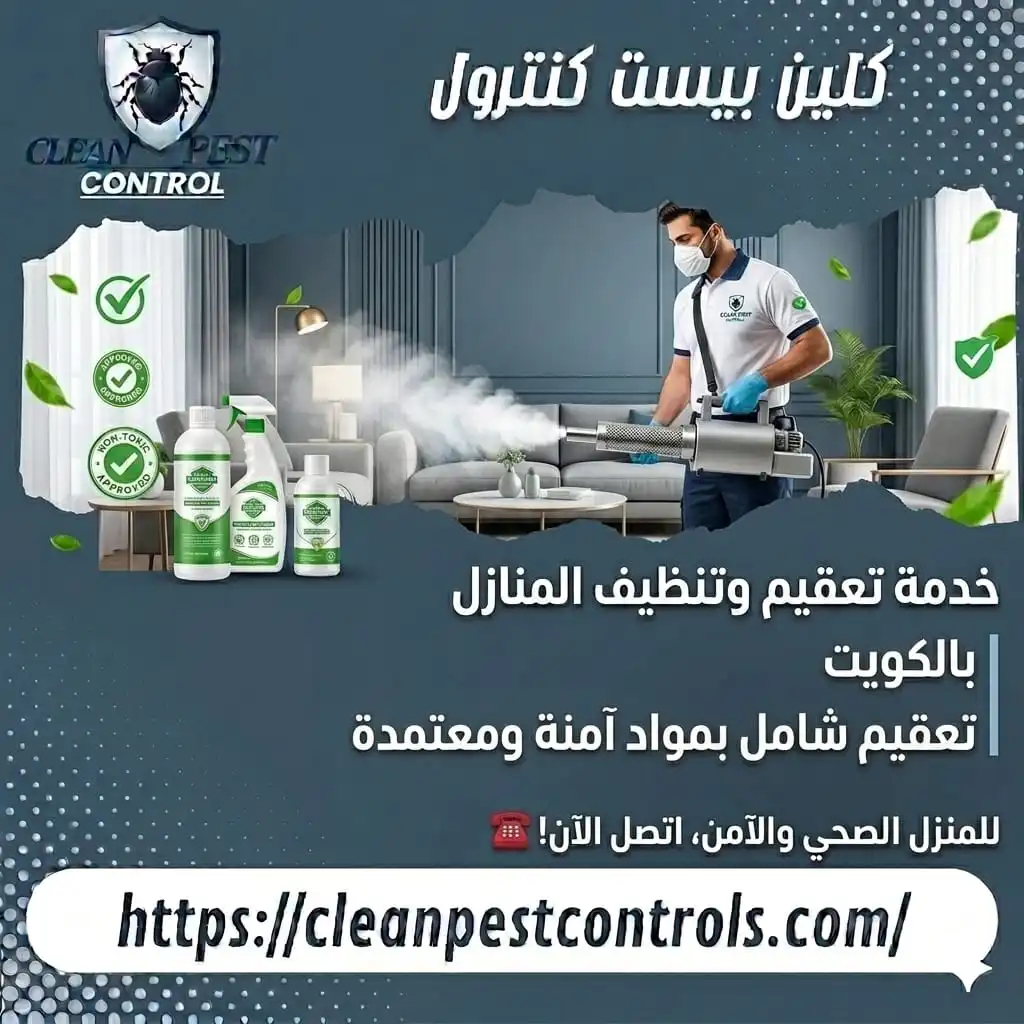
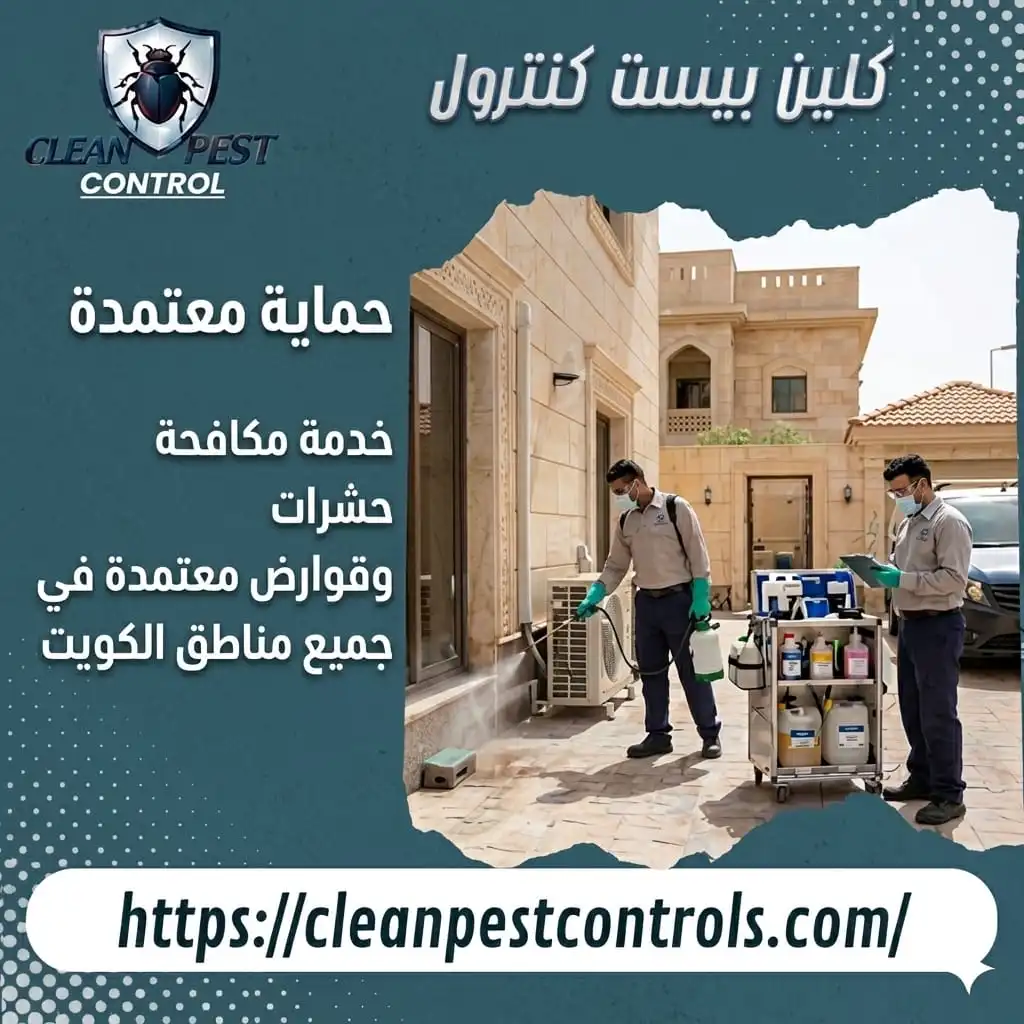
Hospitals, medical centers and healthcare facilities are unlike any other type of building when it comes to pest management because they accommodate patients with different medical conditions, including individuals with weakened immune systems, surgical patients and those undergoing complex medical treatments that require the highest standards of hygiene and infection prevention. The appearance of even a single insect inside a patient room, treatment department or operating theater is not simply an inconvenience. It can compromise the healthcare environment, reduce patient confidence and negatively affect the reputation of the facility. For this reason, professionally managed healthcare institutions rely on specialized pest control programs based on continuous prevention, scheduled inspections, complete documentation and treatment methods that comply with healthcare safety standards instead of depending on traditional pesticide applications only after an infestation becomes visible.
The Danger of Pests in Medical and Healthcare Facilities
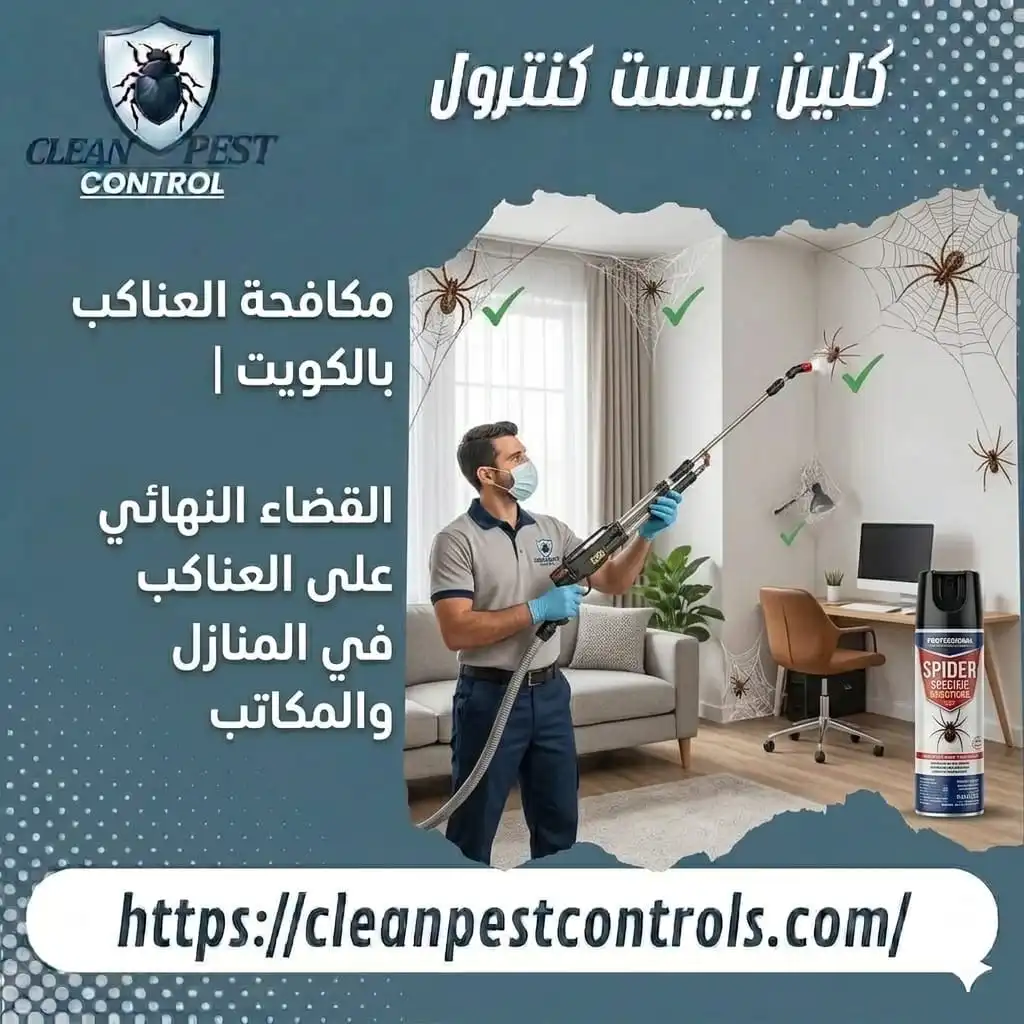
Healthcare facilities differ from every other type of commercial or residential building because every operational detail directly affects human health. The presence of insects inside hospitals is not merely an aesthetic issue. If left uncontrolled, pests may contribute to the movement of contaminants between different departments and sensitive areas, making preventive pest management an essential part of hospital operations.
Hospitals contain numerous specialized departments including patient wards, outpatient clinics, laboratories, pharmacies, central kitchens, waste disposal areas and technical service rooms. Every department presents a different level of sensitivity and therefore requires a customized pest management strategy based on its operational function. The constant movement of patients, visitors and healthcare professionals throughout the day further increases the importance of implementing preventive programs that stop pest activity before infestations develop.
Practical field experience has consistently demonstrated that the most successful pest management programs are those built on continuous monitoring and preventive inspections rather than relying solely on emergency treatments after pests become visible.
The primary reasons pests represent serious risks inside healthcare facilities include:
- The potential movement of contaminants between departments
- The presence of patients requiring highly protected healthcare environments
- Extensive drainage systems and service utilities
- Continuous twenty-four-hour operations
- Highly sensitive areas such as operating rooms and intensive care units
- The ongoing need to maintain strict healthcare standards
For these reasons, hospital pest management requires professional programs that are fundamentally different from residential pest control services.
Cockroaches in Hospitals: Dangerous Carriers of Bacteria
Cockroaches are among the most concerning pests inside healthcare environments because they can travel between drainage systems, utility rooms, storage facilities and treatment areas if their activity is not detected early. Consequently, hospitals manage cockroach infestations through highly structured inspection and monitoring programs rather than relying solely on conventional spraying methods.
The primary concern is not simply the presence of a visible cockroach but its ability to hide inside structural cracks, behind medical equipment and within service areas where routine observation may not reveal early infestations. Detecting activity during its earliest stages requires scheduled inspections performed using professional monitoring techniques.
Modern hospital pest management programs therefore concentrate on eliminating pest harborages and breeding locations rather than treating only the places where insects are eventually observed.
Common cockroach activity areas inside hospitals include:
- Engineering and maintenance service rooms
- Central kitchens
- Drainage and sewage systems
- Storage facilities
- Medical waste collection rooms
- Hidden spaces behind permanently installed equipment
The earlier cockroach activity is identified, the more effective treatment becomes while minimizing disruption to hospital operations.
Rodents in Healthcare Facilities
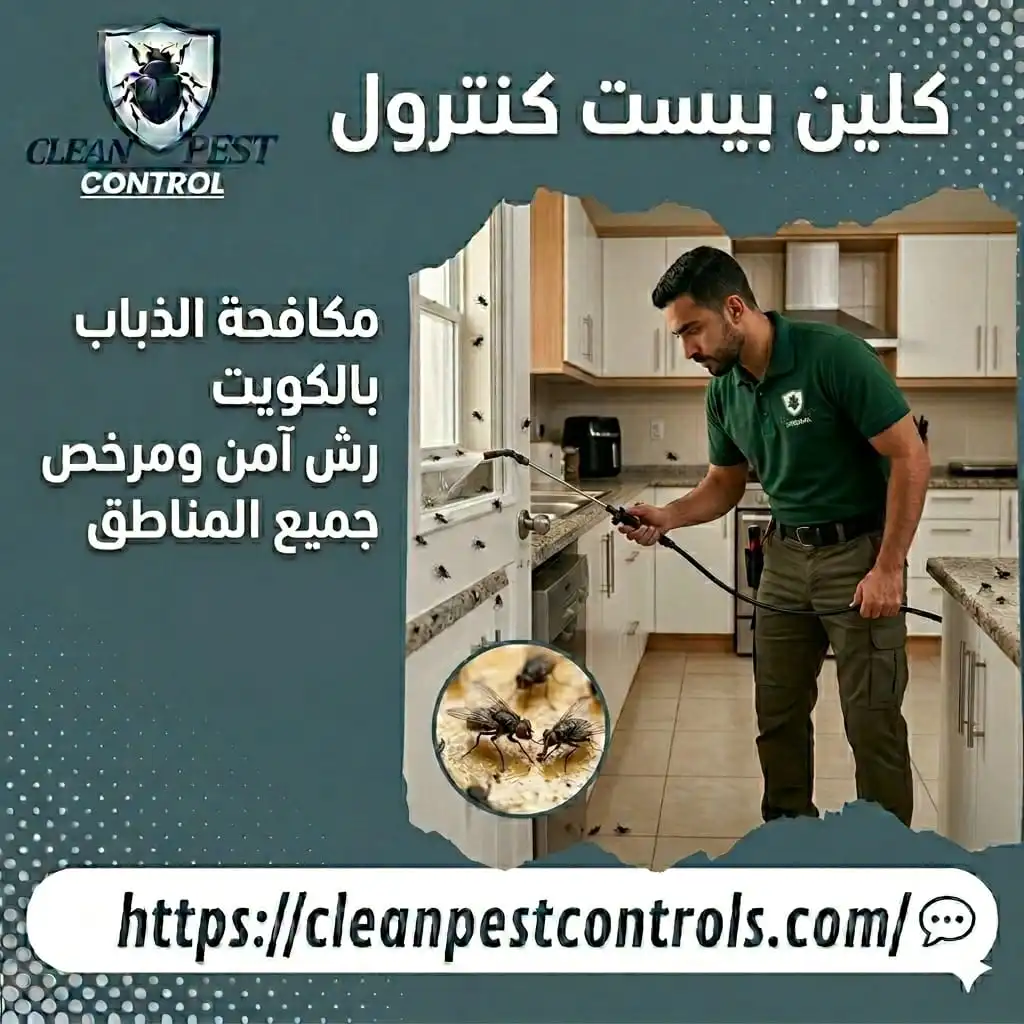
Rodents present major challenges inside healthcare facilities because they can enter buildings through extremely small openings and move unnoticed through service tunnels, utility networks and interconnected structures. Besides contaminating sensitive environments, rodents may damage electrical wiring, packaging materials and stored medical supplies, making their complete exclusion an essential component of healthcare facility management.
Professional rodent management begins with a comprehensive site survey designed to identify possible entry points, movement pathways and areas of increased activity. Secure monitoring stations and professionally designed bait systems are then installed in carefully selected locations while all accessible structural openings are sealed to reduce future intrusion risks.
Equally important are improvements in sanitation procedures, waste management systems and building maintenance because these operational factors play a significant role in preventing rodent activity over the long term.
Typical indicators of rodent activity include:
- Gnaw marks on stored materials
- Rodent droppings in service areas
- Movement noises during quiet periods
- Travel marks along walls
- Damaged cables or packaging materials
- Unusual odors in isolated locations
Early intervention whenever these warning signs appear helps preserve the safety of healthcare facilities and prevents isolated activity from developing into widespread infestations.
Kuwait Ministry of Health Requirements for Healthcare Facilities
Healthcare institutions operate within highly regulated environments where pest management cannot be performed randomly or only after infestations become visible. Instead, every hospital and medical facility should implement a structured preventive pest management program supported by continuous inspections and complete documentation of every procedure performed. The primary objective is to maintain a healthcare environment where pest activity is prevented before it becomes a risk.
Professional hospitals integrate pest management into their sanitation programs, waste management procedures and preventive maintenance systems. Each program begins with comprehensive inspections covering every department in order to identify potential risk areas before establishing monitoring schedules appropriate for each section of the facility.
These programs are also reviewed and updated whenever new departments are added, building expansions are completed or operational systems are modified so that preventive measures continue matching the facility's changing requirements.
A professional healthcare pest management program typically includes:
- Routine inspections of every department
- Continuous monitoring of pest activity
- Complete documentation of all inspections and treatments
- Scheduled preventive pest management programs
- Periodic technical reports
- Ongoing updates to treatment strategies whenever necessary
This organized approach enables hospital management to maintain consistent preventive protection while significantly reducing the likelihood of unexpected infestations.
Safe Pesticides for Patient Care Areas
One of the most common concerns raised by hospital administrators is how pest control treatments can be carried out while maintaining the highest level of safety for patients, healthcare professionals and visitors. For this reason, pest management in medical environments differs significantly from treatments performed in residential or commercial buildings. Every product and every application method must be selected carefully according to the function of the department, the sensitivity of the surrounding environment and the operational requirements of the healthcare facility.
Modern healthcare pest management programs do not rely solely on widespread pesticide applications. Instead, they combine multiple control techniques such as professional baiting systems, monitoring stations and highly targeted localized treatments that focus only on areas where pest activity has been confirmed. This integrated approach minimizes the need for unnecessary pesticide applications within sensitive medical environments while maintaining excellent long-term control.
Before any treatment begins, the pest management team coordinates with hospital management to determine which departments can safely receive treatment, how treatment areas should be prepared and when each location can safely return to normal operation according to established healthcare procedures.
Professional healthcare pest management focuses on:
- Using licensed and approved treatment products
- Selecting the most appropriate treatment method for every department
- Protecting patients, healthcare staff and visitors during treatment
- Minimizing pesticide applications in highly sensitive medical areas
- Following strict occupational health and safety procedures
- Providing clear post-treatment operational guidance
This carefully planned approach provides effective pest management while preserving the safe healthcare environment required inside hospitals and medical facilities.
Safe Treatment of Hospital Drainage and Sewer Systems
Drainage and sewer systems represent one of the most critical areas requiring continuous monitoring inside hospitals because they may become favorable environments for certain pest species if preventive maintenance is neglected. However, treating hospital drainage systems requires specialized expertise to ensure that pest management procedures do not interfere with hospital operations or affect essential infrastructure.
The process begins with a detailed inspection of drainage lines, surrounding service areas and associated utility spaces in order to evaluate pest activity and identify high-risk locations. Appropriate treatment methods are then selected for each area while taking into consideration nearby patient care departments and other sensitive operational zones. Every treatment is scheduled to ensure that hospital services continue without interruption.
Professional drainage management involves far more than applying treatment products. It also includes recommendations for maintenance improvements, sanitation procedures and environmental modifications that reduce future pest activity throughout the drainage network.
Professional drainage management programs include:
- Routine inspection of drainage systems
- Treatment of identified pest activity points
- Monitoring service and utility rooms
- Inspection of moisture-prone locations
- Preventive maintenance recommendations
- Continuous updates to drainage pest management strategies
This systematic approach makes drainage systems an integral part of the hospital's long-term preventive pest management program.
Coordinating Pest Control with Patient Care and Surgical Schedules

Hospital pest management requires exceptional operational flexibility because every treatment program must adapt to the healthcare services being provided. Treatment schedules are therefore never arranged randomly. Instead, pest management specialists coordinate directly with hospital administrators to determine the most appropriate service periods that allow treatments to be completed without disrupting patient care, medical staff or surgical schedules.
Large healthcare facilities often require phased treatment plans in which each department is serviced separately according to its daily operational schedule. Highly sensitive areas may be treated only during designated maintenance periods or after temporary suspension of specific activities, ensuring that patient care remains uninterrupted.
Close coordination with department supervisors also guarantees that treatment areas are properly prepared before service begins and safely returned to operation immediately after completion while fully complying with healthcare safety requirements.
Professional scheduling includes:
- Advance coordination with hospital administration
- Selecting the safest treatment periods
- Dividing treatment into carefully planned phases when necessary
- Respecting surgical schedules and sensitive departments
- Minimizing disruption to patient movement
- Returning departments to full operation safely and efficiently
This highly organized scheduling process allows hospitals to receive professional pest management services without compromising healthcare quality or operational continuity.
Documentation of Pest Control Services for Healthcare Audits
Within hospitals and healthcare facilities, the responsibility of a professional pest control provider does not end after treatment has been completed. Comprehensive documentation forms an essential part of every preventive pest management program. Every inspection, recommendation and treatment procedure must be accurately recorded so hospital administrators can review service history, monitor previous findings and evaluate future preventive actions whenever necessary.
These records are valuable not only for internal quality management but also for healthcare administrators responsible for monitoring facility performance. Complete documentation allows decision-makers to evaluate recurring pest activity, review treatment effectiveness and make evidence-based improvements instead of relying on assumptions or isolated observations.
Following every service visit, detailed reports are prepared describing the facility's condition, completed treatments, inspected areas and recommendations related to maintenance, sanitation and environmental improvements that help prevent future pest activity.
Professional documentation generally includes:
- Detailed reports following every inspection
- Records of routine monitoring activities
- Documentation of pest activity locations
- Evaluation of previous treatment effectiveness
- Recommendations for continuous improvement
- Complete chronological service records
This structured documentation system strengthens quality management while supporting a culture of preventive healthcare facility maintenance.
The Difference Between Residential and Medical Pest Control
Many people assume that pest management inside hospitals is similar to residential pest control, but the differences are substantial. Medical facilities require entirely different planning, treatment methods, operational procedures and safety considerations. While residential properties can often be vacated temporarily during treatment, hospitals continue operating twenty-four hours a day while providing uninterrupted medical care.
Healthcare facilities also contain departments with varying levels of sensitivity including operating theatres, intensive care units, laboratories and pharmacies. Every section therefore requires an independent pest management strategy based on its operational purpose and risk level.
Modern healthcare pest management emphasizes prevention and continuous monitoring much more than pesticide application alone. Professional programs combine monitoring stations, precision bait systems and localized treatments specifically designed to minimize intervention inside sensitive healthcare environments.
The primary differences between residential and healthcare pest management include:
- Significantly higher health and safety risks
- Multiple specialized departments within one facility
- Continuous operation without shutdown
- Extensive coordination with facility management
- Fully documented preventive management programs
- Customized treatment strategies for every department
These differences make hospital pest management a highly specialized field requiring extensive experience and a thorough understanding of healthcare environments.
Contact Us for a Free Healthcare Facility Inspection
Every healthcare facility operates differently, which is why no single pest management program is suitable for all hospitals or medical centers. Every service begins with a comprehensive on-site inspection during which specialists evaluate the entire building, review departmental operations, identify potential risk areas and develop a treatment strategy tailored specifically to the facility.
The inspection includes kitchens, service rooms, drainage systems, storage facilities, exterior areas and every location that may provide entry points or favorable conditions for pest activity. Following the inspection, a complete preventive program is developed specifying service frequency, treatment procedures, documentation methods and long-term monitoring strategies.
The service process includes:
- Contacting our customer service team
- Identifying the healthcare facility type
- Performing a comprehensive site inspection
- Developing a customized pest management plan
- Establishing routine inspection schedules
- Beginning continuous preventive service and monitoring
This personalized approach ensures that every healthcare facility receives a pest management program specifically designed for its operational needs rather than relying on standardized solutions.
Why Is Clean Pest Control the Best Pest Control Company in Kuwait?

Healthcare facilities require exceptional precision and professional expertise because even minor mistakes during pest management may affect daily operations or compromise the healthcare environment. For this reason, Clean Pest Control develops specialized pest management programs for every hospital and medical center following detailed evaluation of the facility's structure, operational departments and individual risk factors.
Our services extend far beyond pesticide applications. We provide continuous inspections, preventive monitoring, comprehensive reporting and professional recommendations designed to minimize future pest activity while supporting long-term healthcare safety objectives. Licensed treatment products and advanced application methods are carefully selected to meet the demanding requirements of sensitive medical environments.
Our major advantages include:
- Extensive experience serving healthcare facilities
- Specialized preventive and corrective pest management programs
- Licensed products with professional application techniques
- Technical reporting and continuous documentation
- Rapid response throughout Kuwait
- Flexible contracts for hospitals and medical clinics
- Technical teams trained specifically for healthcare environments
- Long-term strategies that significantly reduce recurring infestations
This professional approach provides continuous protection while helping healthcare facilities maintain safe, organized and hygienic environments.
Conclusion
Hospitals and medical centers cannot rely on conventional pest control methods because patient safety, healthcare quality and operational continuity all depend upon maintaining clean, carefully protected environments throughout the year. Comprehensive preventive programs built upon routine inspections, documentation and continuous monitoring have therefore become operational necessities rather than optional maintenance services.
Whether managing a major hospital, a specialized medical center or a private healthcare clinic, selecting an experienced pest management provider contributes directly to building protection, quality assurance programs and long-term operational safety. Through extensive field experience, flexible service programs and complete nationwide coverage, Clean Pest Control continues delivering professional pest management solutions tailored specifically to the unique requirements of healthcare facilities throughout Kuwait.
Frequently Asked Questions
Why do hospitals require specialized pest control programs?
Hospitals contain vulnerable patients, highly sensitive departments and continuous medical operations, making specialized preventive pest management essential.
Can pest control treatments be performed without affecting patients?
Yes. Treatments are carefully coordinated with hospital management, scheduled appropriately and completed in phases whenever necessary to avoid disrupting patient care.
Are safe products used inside hospitals?
Yes. Licensed and approved treatment products are selected together with application methods appropriate for each department according to healthcare safety requirements.
Does your service include documentation and reporting?
Yes. Every visit includes comprehensive reports, inspection records and complete documentation supporting quality management and facility monitoring.
Can a customized contract be created for each healthcare facility?
Absolutely. Every hospital, medical center and healthcare clinic receives a customized pest management program based on its operations, departments, risk level and service requirements.