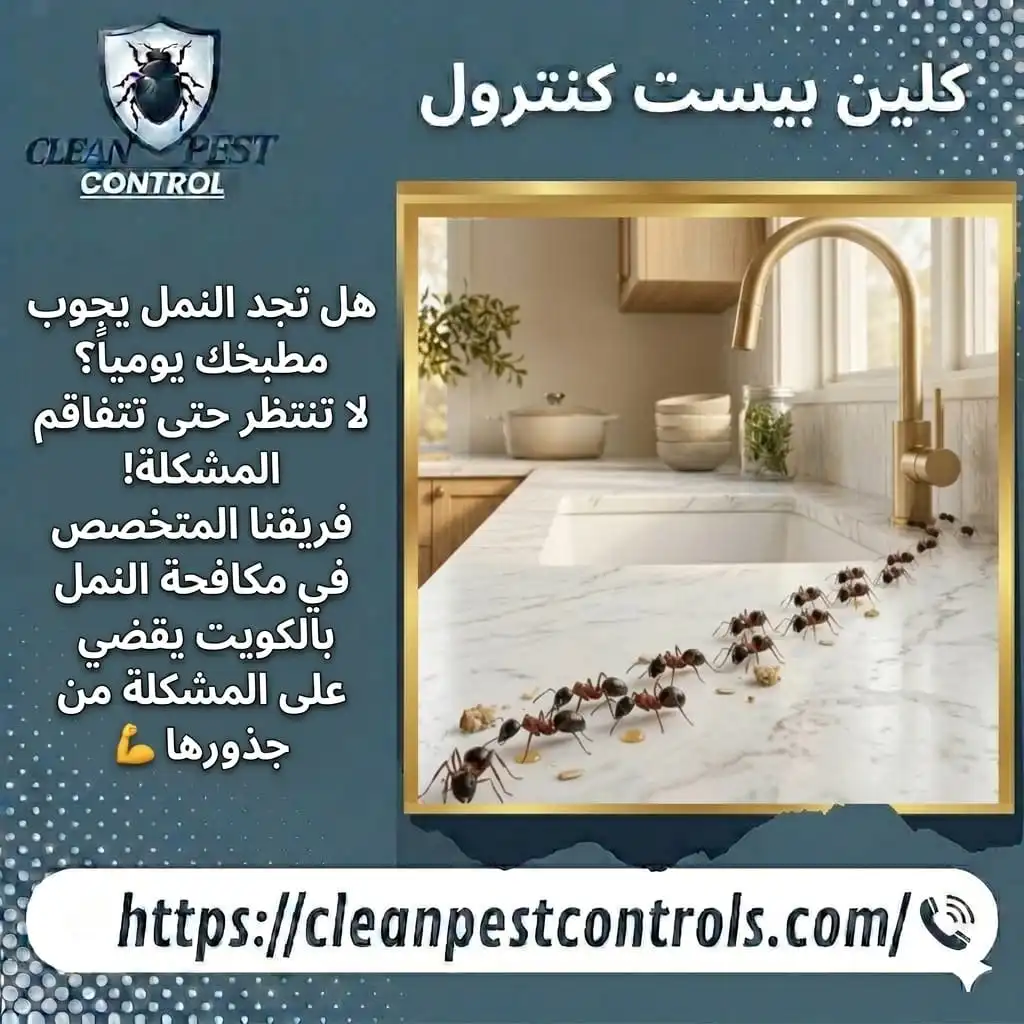
Many homeowners notice long trails of ants moving through their homes and naturally assume the problem exists only where the ants are visible. In reality, this is rarely the case. Ants do not actually live along the trails you see. Those trails simply serve as transportation routes between the colony and sources of food or water. This explains why ants often disappear for a day or two after cleaning or using household sprays, only to return again shortly afterward. The main colony usually remains hidden somewhere inside or around the property. Identifying where ants build their nests is one of the most important steps before beginning any treatment because successful ant control depends on eliminating the colony itself rather than simply removing the visible worker ants. In this article, we explain the most common places where ants establish colonies inside homes in Kuwait and how to locate them before the infestation becomes much larger.
Ant Nests

Not all Ant Nests are built in the same location because different ant species select nesting sites that provide safety, moisture and easy access to food. Some colonies develop completely inside the home while others remain outdoors, sending worker ants long distances every day to collect food before returning to the colony.
Ant Nests also vary according to ant species. Some prefer hidden spaces inside walls, while others establish colonies beneath flooring, near gardens or inside small structural openings surrounding plumbing and utility lines.
Based on extensive field experience, accurately locating the actual nest significantly reduces treatment time while greatly improving the success of professional ant control.
Ant Nests may be located in:
- Interior walls.
- Under flooring.
- Garden areas.
- Beneath cabinets.
- Behind household appliances.
- Around the exterior of the property.
Finding the colony is far more important than eliminating only the ants you can see.
Ant Locations Inside the House
The most common Ant Locations Inside the House depend upon the conditions ants are seeking because they prefer quiet places offering protection, moisture and convenient access to food. For this reason, the area where ants become visible is not always where the colony itself exists.
Ant Locations Inside the House may also change as seasons change or food sources move. Worker ants frequently establish new travel routes while the colony itself remains safely hidden in its original location.
Based on practical field experience, observing ant activity at different times of the day often reveals the direction leading back to the nest.
Common Ant Locations Inside the House include:
- Kitchens.
- Storage rooms.
- Bathrooms.
- Laundry rooms.
- Areas beneath staircases.
- Around doors.
The place where ants appear is not necessarily where the colony exists.
Ant Colonies

An Ant Colony is the location where the queen, developing larvae and worker ants permanently live. This is the area that must be located if the infestation is to be eliminated successfully. The ants moving throughout the home represent only a very small percentage of the total colony population.
Most Ant Colonies remain hidden inside structural cavities that cannot easily be seen with the naked eye. Simply spraying the visible travel routes rarely solves the problem if the colony itself remains untouched.
Based on extensive field experience, eliminating the colony prevents new generations of ants from developing while providing much longer-lasting results.
When searching for an Ant Colony, inspect:
- Structural cavities.
- Interior wall spaces.
- Beneath flooring.
- Moist areas.
- Around plumbing.
- Storage corners.
Effective treatment always begins with the colony rather than the visible ant trails.
Ant Hiding Places
The most common Ant Hiding Places are located away from everyday household activity because ants naturally seek quiet, protected environments where colonies can grow without disturbance. As a result, infestations may continue expanding for months before homeowners notice visible ant activity.
Ant Hiding Places also vary according to building design. Colonies may develop inside wall cavities, beneath floor tiles, behind built-in cabinets or inside tiny openings surrounding plumbing and electrical installations—areas that rarely receive attention during routine cleaning.
Based on extensive field experience, locating these hidden nesting areas greatly reduces the need for repeated pesticide applications because treatment targets the true source of the infestation.
Common Ant Hiding Places include:
- Behind built-in cabinets.
- Inside wall cavities.
- Beneath flooring.
- Behind electrical appliances.
- Around plumbing systems.
- Inside small structural openings.
Every dark and undisturbed location may become an ideal nesting site for ants.
Ants Inside Walls
Finding Ants Inside Walls is one of the situations that confuses homeowners most because ants may suddenly emerge from a tiny crack before disappearing again without revealing their true origin. Many ant species take advantage of empty wall cavities to establish secure colonies protected from light and human activity.
Ants Inside Walls may also travel between rooms through hidden structural spaces, making temporary disappearance misleading because the colony often remains fully active elsewhere inside the building.
Based on practical field experience, carefully following worker ants during their most active periods often identifies their primary exit point.
Whenever you suspect Ants Inside Walls, inspect:
- Wall cracks.
- Electrical outlets.
- Interior wall corners.
- Tile joints.
- Plumbing penetrations.
- Ant exit locations.
Careful wall inspections save considerable time during professional treatment.
Ant Nests in the Kitchen
Ant Nests in the Kitchen develop whenever ants discover dependable food and water supplies. Kitchens naturally attract colonies because they often provide moisture, food residue and hidden spaces behind cabinets or appliances.
Ant Nests in the Kitchen are not always physically located inside the kitchen itself. The colony may exist beneath the floor or inside an adjacent wall while worker ants enter the kitchen daily to collect food before returning to the nest.
Based on extensive field experience, treating the kitchen alone rarely solves the infestation unless the primary colony is accurately located.
When searching for Ant Nests in the Kitchen, inspect:
- Beneath sinks.
- Behind refrigerators.
- Behind ovens.
- Inside cabinets.
- Food storage areas.
- Moist corners.
Removing food sources while eliminating the colony provides the most successful long-term results.
Inspecting Ant Activity
Professional Inspecting Ant Activity depends on understanding natural ant behavior rather than randomly searching throughout the property because worker ants consistently travel along established routes connecting food sources with the colony. Carefully observing these routes provides essential diagnostic information.
Professional Inspecting Ant Activity also includes evaluating overlooked structural spaces, inspecting behind fixed furniture, checking plumbing penetrations and identifying moisture conditions throughout the property.
Based on practical field experience, professional inspections frequently discover hidden infestations before they become major problems.
Professional Inspecting Ant Activity includes:
- Following travel routes.
- Measuring moisture levels.
- Inspecting structural openings.
- Examining cabinets.
- Inspecting walls.
- Locating the colony.
Accurate inspection forms the foundation of every successful ant control program.
Detecting Ant Colonies
Professional Detecting Ant Colonies involves much more than simply observing visible ant activity because the actual colony may exist several meters away from the place where ants are first noticed. Professional technicians therefore follow worker ant trails, monitor activity periods and inspect quiet, moisture-rich environments until they successfully locate the queen, workers and developing brood.
Professional Detecting Ant Colonies also allows specialists to select the most appropriate treatment strategy because eliminating the colony itself differs entirely from treating only visible travel routes. This explains why professional pest control succeeds while random pesticide applications often fail.
Based on extensive field experience, accurate diagnosis shortens treatment time while preventing recurring infestations.
Professional Detecting Ant Colonies includes:
- Following ant trails.
- Locating the queen.
- Inspecting structural cavities.
- Assessing infestation size.
- Identifying ant species.
- Developing a treatment strategy.
Finding the colony eliminates much of the challenge involved in successful ant control.
Sources of Ants Inside the Home
The primary Sources of Ants Inside the Home never appear without reason because every colony requires three essential resources: food, water and safe shelter. Whenever these conditions become available inside a property, ants can establish permanent colonies even if only a few worker ants are initially observed.
Many Sources of Ants Inside the Home remain unnoticed by homeowners, including small plumbing leaks, food residue behind appliances or structural openings that provide easy access throughout the building.
Based on practical field experience, eliminating these attraction sources greatly reduces future infestations even after professional treatment has been completed.
The most common Sources of Ants Inside the Home include:
- Food residue.
- Moisture.
- Plumbing leaks.
- Structural cracks.
- Utility openings.
- Poor food storage.
Removing attraction sources prevents ants from considering your home a suitable nesting environment.
Ant Gathering Areas
Ant Gathering Areas differ from nesting sites because worker ants usually gather wherever food or water is available before returning to the colony. Homeowners often observe repeated ant activity inside kitchens or bathrooms while the actual colony remains located elsewhere.
Professional analysis of Ant Gathering Areas provides technicians with valuable information about ant travel routes and colony direction, making these gathering locations extremely useful during inspection.
Based on extensive field experience, carefully evaluating gathering areas significantly reduces the time required to locate hidden colonies while improving treatment success.
Common Ant Gathering Areas include:
- Beneath sinks.
- Around garbage containers.
- Inside cabinets.
- Near household appliances.
- Around water sources.
- Close to entry doors.
Ant gathering points often reveal the direction leading toward the hidden colony.
Why Is Clean Pest Control the Best Pest Control Company in Kuwait?

Clean Pest Control follows a professional pest management approach that begins by locating the colony before any treatment is applied because eliminating only visible worker ants cannot provide long-term results. Every service begins with a comprehensive inspection, careful monitoring of ant travel routes and precise identification of colony locations before selecting the most appropriate treatment according to the ant species and property structure.
The company uses approved professional products together with modern treatment techniques specifically designed to eliminate colonies directly while providing homeowners with practical preventive recommendations that reduce attraction sources and prevent future infestations. Follow-up support is also available whenever necessary to ensure lasting protection.
With many years of experience controlling every type of household ant throughout homes, villas and commercial facilities across Kuwait, Clean Pest Control has earned the trust of customers seeking professional solutions based on accurate diagnosis, effective treatment and long-term prevention.
Conclusion
Knowing where ants build their colonies is far more important than simply noticing where they walk because visible ant trails represent only a small part of the colony's overall activity. The earlier the colony is located, the faster, more effective and more economical professional treatment becomes.
Rather than spraying only the areas where ants appear, homeowners should inspect moisture sources, structural openings and possible entry points while requesting professional assistance whenever ants continue returning despite cleaning or household pesticide use. Successful treatment always begins by eliminating the colony itself.
Frequently Asked Questions
Do ants always build their nests inside the house?
No. Colonies may exist either inside or outside the property while worker ants enter only to collect food before returning to the nest.
Where do ants usually hide inside a home?
Common hiding places include wall cavities, beneath flooring, behind cabinets, around plumbing systems and other quiet, moisture-rich structural spaces.
How can I locate an ant colony?
Follow worker ant trails, observe gathering areas and inspect moist structural spaces where colonies commonly develop.
Is killing the visible ants enough?
No. Visible worker ants represent only a small portion of the colony. If the queen survives, new worker ants will continue appearing.
Why do homeowners choose Clean Pest Control?
Because the company performs detailed inspections, accurately locates ant colonies, applies professional treatments that eliminate the infestation at its source and provides preventive plans that reduce the likelihood of future ant activity.



