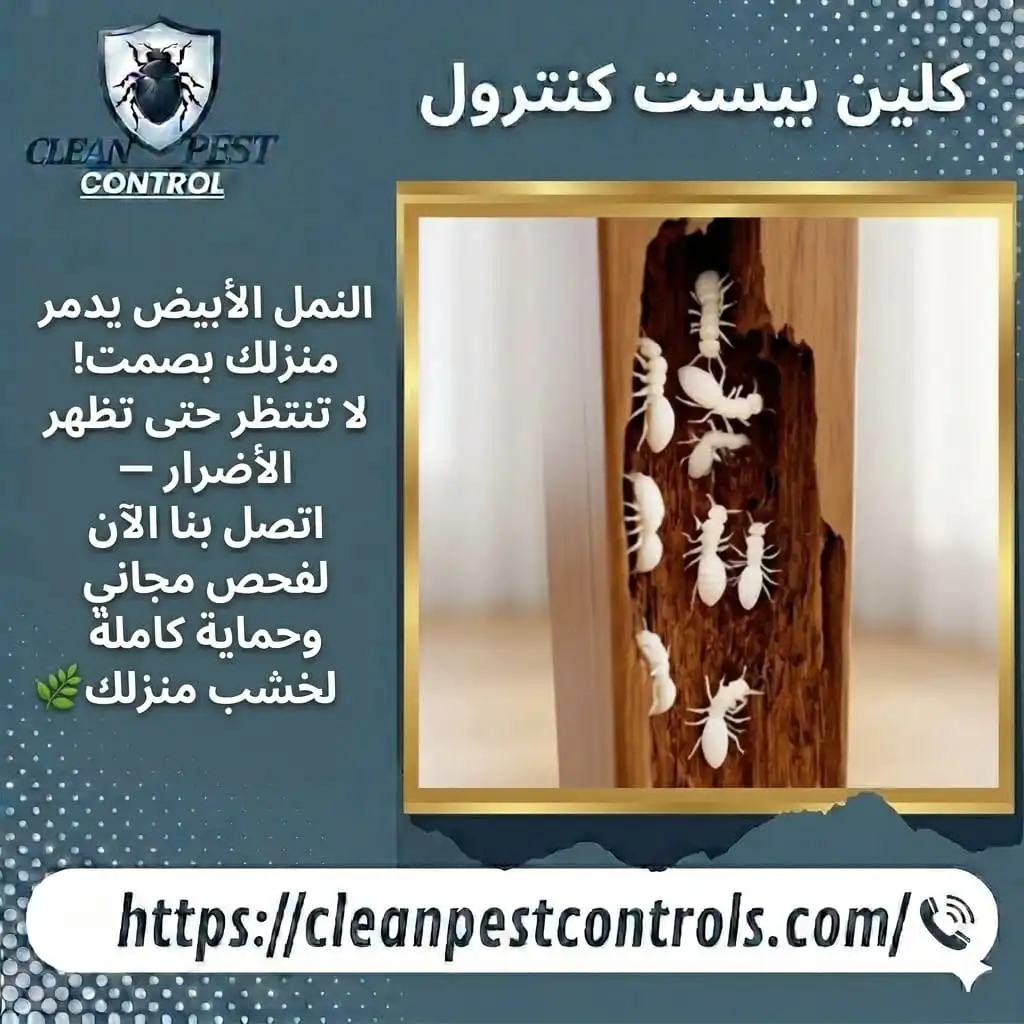
When a homeowner notices that a wooden door suddenly feels lighter than usual, hears a hollow sound when knocking on the wood, or sees cracks and peeling paint without any obvious reason, an important question immediately arises: Is this simply old wood deterioration, or is it caused by termites? The truth is that termites never destroy wood overnight. Instead, they work silently from the inside for months or even years before visible warning signs appear. This is why many termite infestations are discovered only after serious structural damage has already occurred, even though early inspection could have prevented expensive repairs. In this article, we explain when termite damage becomes a genuine threat, how to distinguish termites from wood-boring beetles and ordinary wood deterioration, and the most effective ways to protect wooden doors and timber throughout your home.
Termites in Wooden Doors

Termites in Wooden Doors are among the most common termite infestations noticed by homeowners because doors are used every day, making changes easier to recognize than damage affecting less frequently used wooden components. The problem may begin with slight difficulty opening or closing the door before gradually developing into weakened structural integrity as termites consume the wood from the inside.
The presence of Termites in Wooden Doors does not always mean the entire door has been destroyed. The extent of the damage depends upon how long the infestation has existed and how deeply the colony has penetrated the internal wooden structure. A professional inspection is therefore required to determine whether treatment alone is sufficient or whether certain sections require replacement.
Based on extensive field experience, doors inspected during the early stages of infestation can often be preserved without requiring complete replacement.
Common Termites in Wooden Doors warning signs include:
- Hollow sounds when knocking.
- Weak door hinges.
- Unusual cracks.
- Difficulty opening or closing the door.
- Peeling paint.
- Weak internal wooden structure.
Early detection protects the door while preventing termites from spreading into surrounding wooden components.
Wood-Boring Beetles vs. Termites
Many homeowners confuse Wood-Boring Beetles vs. Termites because both insects damage wooden structures. However, several important differences allow specialists to distinguish between them. Wood-boring beetles usually leave tiny exit holes accompanied by fine wood dust, whereas termites typically hollow out timber internally without leaving obvious surface holes during the early stages.
The distinction between Wood-Boring Beetles vs. Termites extends beyond appearance because treatment methods differ significantly. Successful termite control requires complete elimination of the colony, while wood-boring beetle treatment depends upon the specific insect species responsible for the infestation.
Based on practical field experience, incorrect diagnosis frequently results in ineffective treatment, allowing wood damage to continue unnecessarily.
To distinguish Wood-Boring Beetles vs. Termites, inspect:
- Small holes.
- Fine wood dust.
- Mud tubes.
- Hollow sounds.
- Damage patterns.
- Infestation location.
Accurate diagnosis saves valuable time while ensuring the correct treatment strategy is selected.
Termites in Wood

The presence of Termites in Wood indicates that termites have located a rich food source capable of sustaining colony growth. Rather than feeding on only one small area, termites continue consuming wood gradually as long as favorable environmental conditions remain.
Termites in Wood particularly favor wooden components exposed to suitable moisture conditions or located near soil and water sources. For this reason, infestations frequently begin in lower door frames, cabinets and wooden structures positioned close to the floor.
Based on extensive field experience, carefully inspecting every wooden component surrounding the original infestation greatly improves the likelihood of identifying the full extent of termite activity before treatment begins.
Whenever you suspect Termites in Wood, inspect:
- Doors.
- Cabinets.
- Wooden frames.
- Flooring.
- Wooden ceilings.
- Nearby furniture.
Every wooden component connected to the affected area deserves careful inspection before treatment decisions are made.
Wood Damage
Wood Damage caused by termites rarely appears suddenly. Instead, termites consume timber internally while leaving the outer surface largely intact during the early stages, allowing the damage to progress unnoticed until the wooden structure eventually loses its strength. As a result, doors or cabinets may appear completely normal externally while suffering severe internal deterioration.
The severity of Wood Damage varies according to wood type, moisture levels and the length of time termites have remained active. For this reason, visual appearance alone cannot accurately determine the extent of structural damage because the internal condition often differs dramatically from what is visible externally.
Based on extensive field experience, intervention during the earliest stages preserves most wooden structures and significantly reduces replacement costs.
Common indicators of Wood Damage include:
- Weak internal structure.
- Cracked timber.
- Reduced structural strength.
- Hollow sounds.
- Wood breaking easily.
- Unusual structural deformation.
The earlier wood damage is discovered, the greater the chance of preserving the affected structure.
Termite Treatment

Successful Termite Treatment always focuses on locating and eliminating the termite colony because repairing damaged wood without removing the source of the infestation allows termites to continue destroying the property. Professional companies therefore begin with detailed inspections before selecting the treatment method best suited to each infestation.
Professional Termite Treatment may involve creating protective soil barriers, applying specialized wood or soil treatments or combining multiple techniques according to the property's construction and infestation level. No single solution is appropriate for every building.
Based on practical field experience, early treatment significantly reduces repair costs while protecting the building's structural integrity.
Professional Termite Treatment includes:
- Comprehensive inspection.
- Colony identification.
- Appropriate treatment selection.
- Wood protection.
- Treatment monitoring.
- Preventive measures.
Successful termite control begins by eliminating the colony rather than simply repairing visible damage.
Protecting Wooden Doors
Protecting Wooden Doors begins with prevention long before visible termite damage appears because preventing termites from reaching wooden structures is considerably easier and less expensive than repairing extensive structural deterioration afterward. Homeowners should therefore maintain dry conditions around doors, repair plumbing leaks promptly and schedule inspections whenever termite activity is suspected.
Protecting Wooden Doors also includes installing properly treated timber whenever replacement becomes necessary while never ignoring early warning signs such as discoloration, weakened wood or nearby mud tubes.
Based on extensive field experience, routine preventive maintenance greatly reduces future termite infestations.
To improve Protecting Wooden Doors:
- Repair plumbing leaks.
- Inspect doors regularly.
- Keep surrounding areas dry.
- Watch for mud tubes.
- Use treated timber.
- Request professional inspections whenever necessary.
Continuous prevention significantly extends the lifespan of wooden doors.
Repairing Termite Damage
Repairing Termite Damage depends upon the severity of the infestation. Complete replacement is not always necessary because early infestations often allow damaged wooden structures to be repaired after the termite colony has been completely eliminated.
Repairing Termite Damage should never begin before confirming that termite activity has stopped entirely because repairing wood while termites remain active often results in repeated damage shortly afterward.
Based on practical field experience, professional damage assessment helps homeowners select the most appropriate repair strategy without unnecessary replacement expenses.
Professional Repairing Termite Damage includes:
- Damage assessment.
- Eliminating the infestation.
- Repairing damaged timber.
- Replacing irreparable sections.
- Inspecting surrounding wood.
- Applying preventive measures.
Wood restoration becomes far more successful after termites have been completely eliminated.
Termite Detection
Professional Termite Detection is the most important step before beginning treatment because successful termite control depends upon locating the colony, determining its size and identifying every wooden structure affected by the infestation. Relying only on visible damage rarely provides a complete understanding of the problem.
Comprehensive Termite Detection extends beyond damaged doors or visible wood deterioration to include surrounding timber, nearby walls, foundations and moisture-prone areas because termite colonies are frequently located far from the place where the first symptoms appear.
Based on extensive field experience, early professional inspection minimizes structural damage while preventing termite colonies from spreading into additional parts of the property.
Professional Termite Detection includes:
- Inspecting all wooden structures.
- Examining doors and frames.
- Searching for mud tubes.
- Locating the colony.
- Assessing infestation severity.
- Preparing a treatment plan.
The more accurate the diagnosis, the faster and more effective the treatment becomes.
Signs of Wood Damage

Recognizing the earliest Signs of Wood Damage allows homeowners to identify termite activity before structural deterioration becomes severe. Unfortunately, many people assume these warning signs result only from aging timber or moisture while termites continue feeding inside the wood unnoticed.
Signs of Wood Damage rarely appear all at once. They often begin with hollow sounds, weakened doors or minor cracks before gradually becoming much more serious if the underlying termite infestation remains untreated.
Based on practical field experience, recognizing these warning signs early greatly improves the likelihood of preserving valuable wooden structures while minimizing repair costs.
Common Signs of Wood Damage include:
- Hollow sounds.
- Reduced structural strength.
- Unusual cracks.
- Visible deformation.
- Peeling paint.
- Wooden sections breaking easily.
Any unusual change affecting wooden structures deserves immediate professional inspection.
Termite Control Company
Choosing a professional Termite Control Company should always depend upon its experience diagnosing termite infestations before treatment begins because termite control requires specialized knowledge of colony behavior and infestation patterns rather than simply applying insecticides.
A qualified Termite Control Company develops a clear treatment strategy beginning with detailed inspection, identifying active termite areas, selecting the most appropriate treatment and providing follow-up services to ensure complete colony elimination.
Based on extensive field experience, companies relying upon scientific diagnosis consistently achieve more reliable long-term results while greatly reducing recurring infestations.
When selecting a Termite Control Company, make sure it provides:
- Professional inspections.
- Colony identification.
- Approved treatment products.
- Clear treatment plans.
- Follow-up services.
- Preventive recommendations.
Professional companies eliminate the true cause of termite activity rather than simply treating visible symptoms.
Why Is Clean Pest Control the Best Pest Control Company in Kuwait?

Clean Pest Control follows a professional termite management approach beginning with comprehensive property inspections performed by experienced technicians who accurately identify termite activity before selecting customized treatment programs based on infestation severity and building characteristics. Rather than relying on superficial treatment, the company focuses on eliminating the colony itself to achieve dependable long-term protection.
The company uses approved professional products together with specialized termite treatment techniques designed to protect wooden structures and doors from continued deterioration. Customers also receive practical preventive recommendations together with follow-up support to reduce future infestation risks.
With many years of experience controlling termites throughout homes, villas and commercial buildings across Kuwait, Clean Pest Control has earned the confidence of homeowners seeking professional termite solutions that protect valuable properties while minimizing long-term structural damage.
Conclusion
Termites do not destroy wooden doors and timber overnight. Instead, they quietly consume wooden structures over time until serious structural damage eventually becomes visible and expensive to repair. Ignoring early warning signs often leads to far greater losses that could have been prevented through timely professional inspection.
Whenever unusual changes appear in doors or wooden structures, homeowners should avoid guessing or relying upon temporary solutions. Professional inspections accurately identify the problem and provide effective treatment strategies. Early detection remains the best investment for protecting wooden structures and preserving the long-term safety of any property.
Frequently Asked Questions
How can I tell if termites have reached my wooden door?
Common warning signs include hollow sounds when knocking, weakened timber, difficulty opening or closing the door and nearby mud tubes.
Are termites the same as wood-boring beetles?
No. They produce different damage patterns and require completely different treatment methods, making professional diagnosis essential.
Can wood damaged by termites be repaired?
Yes. If termite activity is discovered early and the colony is completely eliminated, many wooden structures can often be repaired instead of replaced.
When does wood damage become dangerous?
When timber loses structural strength, becomes hollow internally or begins breaking during normal use, immediate professional inspection becomes necessary.
Why do homeowners choose Clean Pest Control?
Because the company provides detailed inspections, accurate diagnosis, colony-focused treatment plans, approved professional products and reliable follow-up that delivers long-lasting termite protection.