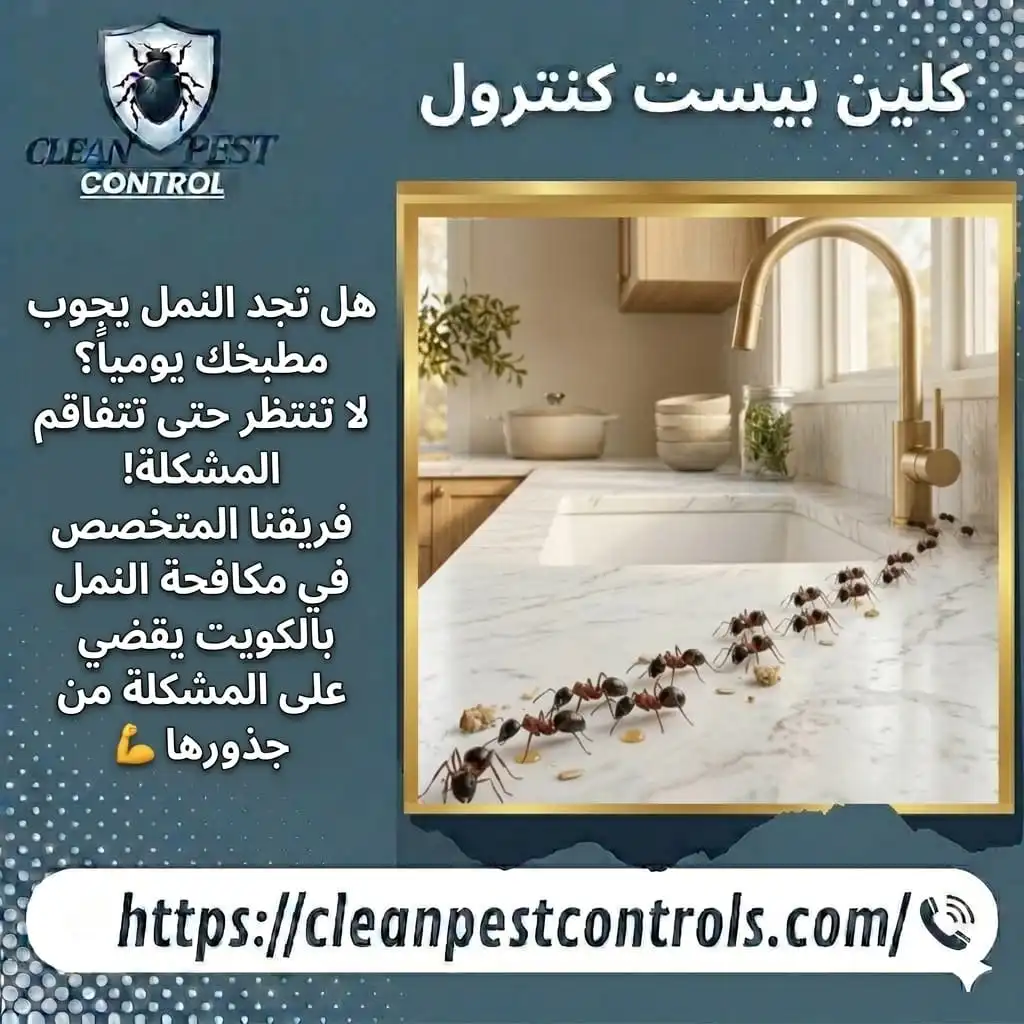
Small black ants appearing repeatedly in the kitchen are among the most common pest problems reported by homeowners in Kuwait. They often disappear for a day or two, only to return to exactly the same place, making it seem as though every cleaning effort or pesticide application has failed. The real reason is not simply that the ants are resistant. In most cases, the main colony remains hidden well out of sight, while the ants you see are only worker ants searching for food and water before returning to the nest. Unless the colony itself is located and the conditions attracting the ants are eliminated, they will continue to reappear regardless of how often surfaces are cleaned or household insecticides are used. This article explains why small black ants repeatedly invade kitchens, how to identify the real cause of the infestation and the most effective professional solutions for permanent control.
Black Ants in the Kitchen

The presence of Black Ants in the Kitchen does not automatically mean the kitchen is dirty because ants are attracted by many factors besides visible food residue. Moisture, water sources, tiny structural openings and even odors that humans cannot detect may all encourage ants to enter a perfectly clean kitchen whenever they discover a safe path leading to food or water.
Black Ants in the Kitchen also travel along established trails created by worker ants using chemical pheromones. This is why homeowners often notice ants following exactly the same route every day. Eliminating only the visible ants without removing the attraction or treating the colony allows the same trail to become active again shortly afterward.
Based on extensive field experience, recurring kitchen infestations are usually caused by continued activity inside a hidden colony rather than by unsuccessful pest control treatment.
Whenever you notice Black Ants in the Kitchen, inspect:
- Under the sink.
- Behind the refrigerator.
- Countertop edges.
- Plumbing openings.
- Cabinet corners.
- Food storage areas.
Finding the point of entry is the beginning of the real solution rather than the end of the problem.
Small Kitchen Ants
Small Kitchen Ants are capable of entering through extremely tiny openings measuring only a few millimeters wide, making their entry points difficult to identify. Their small size also allows them to establish hidden trails inside walls and behind cabinets without attracting attention.
Small Kitchen Ants are not attracted only to sugar as many people believe. They actively search for fats, proteins, moisture and even organic residues found inside garbage containers or beneath household appliances.
Based on practical field experience, eliminating food and water sources while professionally treating the colony consistently produces much better long-term results than surface cleaning alone.
When dealing with Small Kitchen Ants, inspect:
- Food storage locations.
- Under household appliances.
- Floor corners.
- Moisture sources.
- Ant trails.
- Wall openings.
Every unnoticed food or water source may be responsible for the ants returning repeatedly.
Causes of Ant Infestations

Understanding the true Causes of Ant Infestations requires evaluating the entire kitchen environment rather than focusing only on where ants are seen. The colony itself may exist outside the home while worker ants enter through tiny structural openings searching for food and water before returning to the nest.
The Causes of Ant Infestations may also include seasonal conditions such as Kuwait's high temperatures, increased indoor humidity or minor plumbing leaks that homeowners often overlook.
Based on extensive field experience, identifying and eliminating the real cause of the infestation greatly reduces the likelihood of recurring ant activity after professional treatment.
The most common Causes of Ant Infestations include:
- Moisture.
- Water leaks.
- Food residue.
- Wall openings.
- Floor cracks.
- Colonies located near the property.
Every contributing factor that is eliminated significantly reduces the chance of future infestations.
Black Ant Treatment
Effective Black Ant Treatment focuses on eliminating the entire colony rather than simply killing the worker ants visible inside the kitchen because the ants homeowners see represent only a very small portion of the colony. As long as the queen and developing brood remain alive, the colony will continue producing new workers regardless of how many visible ants disappear after treatment.
Professional Black Ant Treatment also varies according to the ant species, infestation size and colony location. No single treatment method works equally well for every situation, which is why professional pest control companies first identify the species before selecting the most appropriate bait systems or treatment strategies.
Based on extensive field experience, treatment programs targeting the colony consistently produce much longer-lasting results than temporary surface treatments.
Professional Black Ant Treatment includes:
- Identifying the ant species.
- Following ant trails.
- Locating the colony.
- Using professional bait systems.
- Treating entry points.
- Monitoring treatment success.
Eliminating the queen is the most important step toward permanently solving the problem.
Kitchen Ant Control
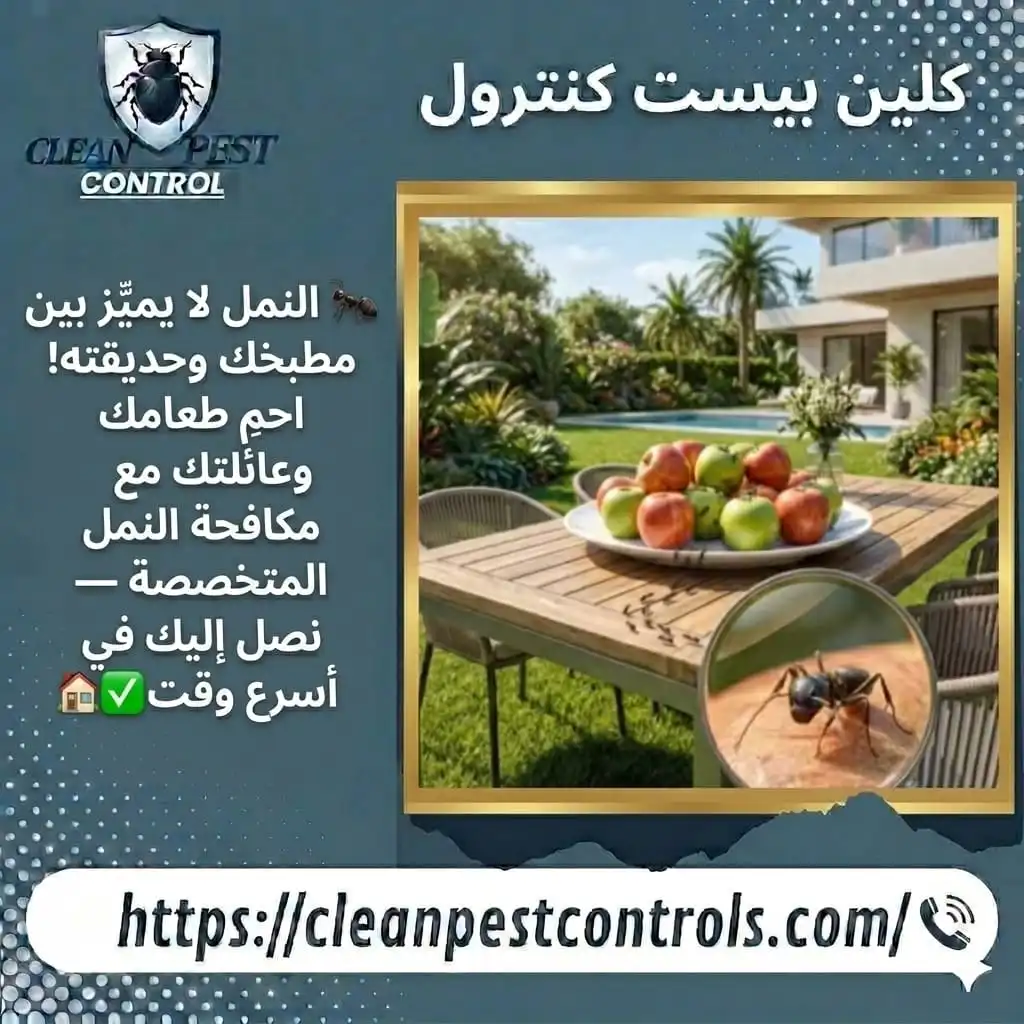
Professional Kitchen Ant Control involves much more than spraying insecticides because every successful treatment begins with a complete inspection designed to determine why ants have entered the kitchen, identify active areas and select the most effective treatment method. Any control program that ignores the true cause of the infestation usually results in ants returning shortly afterward.
Professional Kitchen Ant Control also includes providing homeowners with practical recommendations such as improving food storage, repairing plumbing leaks and cleaning hidden areas behind appliances and cabinets where food residue may accumulate.
Based on practical experience, combining professional treatment with preventive measures consistently delivers the highest long-term success rates.
Professional Kitchen Ant Control includes:
- Comprehensive inspection.
- Identification of active areas.
- Colony treatment.
- Entry point management.
- Eliminating attraction sources.
- Post-treatment monitoring.
Successful control begins by eliminating the cause rather than simply treating the visible symptoms.
Eliminating Small Ants
Successfully Eliminating Small Ants requires patience and avoiding the mistake of concentrating only on the ants currently visible because seeing additional ants after treatment does not necessarily indicate failure. When professional bait systems are used correctly, continued ant activity may actually represent part of the colony elimination process.
Eliminating Small Ants becomes far more successful when professional treatment is combined with sealing structural openings, eliminating food sources and preventing ants from accessing water inside the kitchen.
Based on extensive field experience, homeowners who continue following professional recommendations after treatment experience significantly fewer recurring infestations.
For successful Eliminating Small Ants:
- Seal structural cracks.
- Repair plumbing leaks.
- Store food securely.
- Clean storage areas.
- Monitor ant trails.
- Follow professional recommendations.
Professional treatment combined with prevention always outperforms repeated random pesticide applications.
Ants Around the Sink
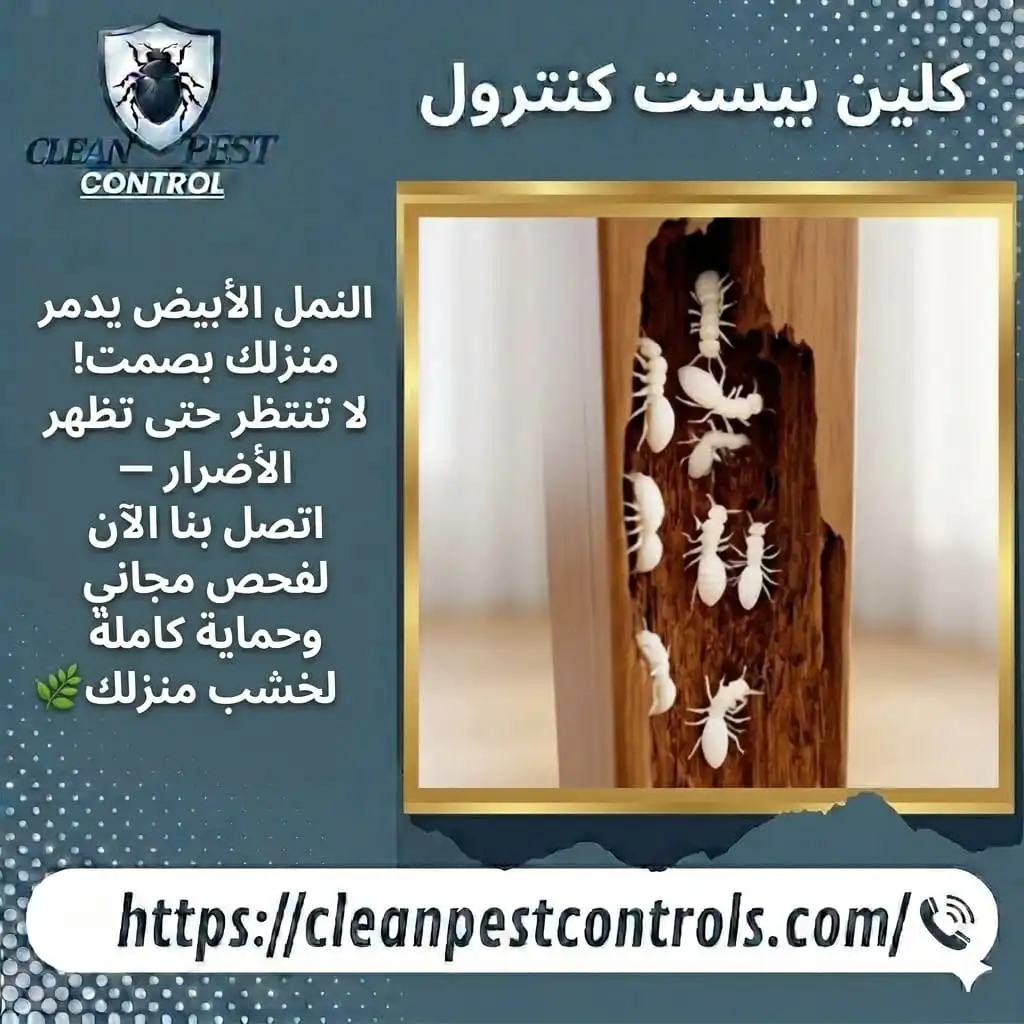
Ants Around the Sink appear frequently because this area provides two essential resources that ants constantly seek: water and moisture. Even in very clean kitchens, small water droplets or minor plumbing leaks beneath the sink may be enough to attract nearby colonies.
Ants Around the Sink also use plumbing openings and spaces surrounding pipes as convenient entry and exit routes. Treating only the visible ants without addressing these hidden access points allows activity to continue.
Based on practical field experience, repairing moisture sources while implementing professional treatment dramatically reduces recurring ant activity around sinks.
Whenever you notice Ants Around the Sink, inspect:
- Plumbing leaks.
- Pipes.
- Structural openings.
- Lower cabinets.
- Moisture levels.
- Ant travel routes.
Persistent moisture makes sink areas one of the most attractive locations for ant activity.
Ants in Kitchen Cabinets
Ants in Kitchen Cabinets usually appear whenever they discover easily accessible food sources such as improperly sealed containers, sugar, flour or small food particles accumulating in corners that are not cleaned regularly. In many situations, the problem is not the amount of food present but how easily ants can reach it.
Ants in Kitchen Cabinets may also enter through tiny openings behind cabinets or inside walls before spreading across shelves unnoticed until their numbers increase significantly. Cleaning shelves alone therefore cannot eliminate the problem if the colony and entry points remain unchanged.
Based on extensive field experience, organizing food storage while treating the source of the infestation greatly reduces repeated ant activity inside cabinets.
Whenever you notice Ants in Kitchen Cabinets, make sure to:
- Seal food containers tightly.
- Clean cabinet corners.
- Remove food residue.
- Inspect rear wall areas.
- Monitor ant trails.
- Treat entry points.
Proper food storage prevents ants from establishing permanent food sources.
Ants in Kuwaiti Kitchens
Ants in Kuwaiti Kitchens behave somewhat differently because Kuwait's high temperatures, continuous appliance-generated heat and frequent water usage create conditions that attract certain ant species whenever nearby colonies exist.
Ants in Kuwaiti Kitchens often become more active during specific seasons as colonies search for reliable water supplies or migrate indoors to escape extreme outdoor temperatures.
Based on practical field experience, seasonal kitchen inspections prevent small ant activity from developing into widespread infestations.
To reduce Ants in Kuwaiti Kitchens:
- Keep surfaces dry.
- Repair leaks promptly.
- Store food properly.
- Seal structural openings.
- Monitor activity regularly.
- Request professional inspection if the problem continues.
Continuous prevention is always more effective than waiting until ants become widespread.
Professional Kitchen Ant Spraying
Professional Kitchen Ant Spraying depends upon selecting treatment products suitable for food preparation environments while following strict professional application procedures. Not every pesticide is appropriate for kitchen use, and choosing the correct treatment method is essential.
Professional Kitchen Ant Spraying often involves more than spraying alone. Depending on the ant species and colony location, technicians may also use professional bait systems or targeted treatments to achieve the highest level of long-term effectiveness.
Based on extensive field experience, selecting the proper treatment strategy always produces better results than repeatedly applying the same pesticide.
Professional Kitchen Ant Spraying includes:
- Kitchen inspection.
- Ant species identification.
- Selecting the appropriate treatment.
- Protecting food preparation areas.
- Colony treatment.
- Providing post-treatment recommendations.
Professional treatment protects both treatment effectiveness and kitchen safety.
Why Is Clean Pest Control the Best Pest Control Company in Kuwait?

Clean Pest Control begins every ant treatment program with a complete kitchen inspection to identify the ant species, travel routes, entry points and colony location before selecting a customized treatment strategy rather than relying on random spraying that delivers only temporary results.
The company uses approved professional products together with treatment techniques specifically designed for kitchens and residential environments while providing homeowners with practical recommendations that reduce attraction sources and prevent ants from returning after treatment. Follow-up support is also available whenever necessary to ensure lasting results.
With many years of practical experience controlling every type of household ant throughout homes, villas and commercial properties across Kuwait, Clean Pest Control delivers comprehensive pest management solutions based upon accurate diagnosis, effective treatment and long-term prevention.
Conclusion
The repeated appearance of small black ants inside the kitchen does not mean the problem cannot be solved. In most situations, it simply indicates that the colony remains active or that conditions attracting ants still exist. Eliminating only the visible ants is never enough unless the true source of the infestation is properly treated.
The earlier ant trails, entry points and colony locations are identified, the faster and more successful professional treatment becomes. When effective pest control is combined with preventive measures, kitchens can remain free of ant infestations for extended periods.
Frequently Asked Questions
Why do small black ants keep appearing in my kitchen?
Because the main colony usually remains active or because food sources, moisture or structural openings continue attracting worker ants into the kitchen.
Is cleaning the kitchen enough to eliminate ants?
No. Cleaning reduces attraction sources but cannot eliminate colonies hidden inside walls or outside the home.
Why do ants gather around the sink?
Because sink areas provide water and moisture, two of the most important resources attracting ants, particularly during Kuwait's hot climate.
What is the best way to eliminate small ants?
Identify the ant species, locate the colony, apply the appropriate professional treatment and eliminate food, moisture and entry points.
Why do homeowners choose Clean Pest Control?
Because the company performs accurate inspections, identifies the colony, selects customized treatment programs and provides follow-up support together with preventive guidance to ensure long-lasting results.