Factories and warehouses require a completely different approach to pest management because even a minor infestation can quickly develop into significant financial losses through damaged inventory, interrupted production lines or contaminated raw materials. The operational nature of manufacturing facilities, including storage warehouses, loading areas, production halls and industrial waste zones, creates conditions that can attract insects and rodents if preventive measures are not consistently implemented. For this reason, pest control in factories is no longer based on responding only after a problem appears. Instead, it relies on carefully planned preventive programs, scheduled inspections and detailed technical reports that help facility managers eliminate potential risks before they affect operations. This proactive approach protects inventory, supports product quality and allows manufacturing processes to continue without unnecessary interruptions.
Pest Control for Factories

Every successful Pest Control for Factories program begins with understanding the nature of the manufacturing operation because a food production facility has completely different pest risks from a plastics factory, metal workshop, pharmaceutical plant or wood processing facility. Each industrial sector presents unique environmental conditions and pest attractants, making it impossible to apply a single standardized solution to every factory. Professional specialists therefore begin with a comprehensive site survey covering production lines, raw material storage, packaging departments, waste handling areas, drainage systems and the surrounding outdoor environment before creating a detailed risk map identifying the locations that require the highest level of preventive attention.
Practical experience across industrial facilities in Kuwait shows that many infestations do not actually originate inside production lines. Instead, they frequently begin around building perimeters, raw material storage areas or structural openings that allow insects and rodents to enter unnoticed. Because of this, structural prevention and facility maintenance are considered just as important as the pest management procedures themselves.
Professional Pest Control for Factories also depends on continuous monitoring rather than one-time treatments. Every inspection is reviewed, pest activity trends are compared with previous reports and preventive strategies are adjusted whenever new operational conditions appear.
A professional factory pest management program includes:
- Conducting a complete inspection of every factory facility before implementation.
- Evaluating the manufacturing process to identify real pest risks.
- Preparing detailed risk maps for vulnerable locations.
- Performing continuous inspections of production and service areas.
- Providing technical reports that support management decisions.
- Updating preventive strategies whenever operational conditions change.
Warehouse Pest Control
Professional Warehouse Pest Control requires a completely different strategy because the primary objective is not simply eliminating insects but protecting stored products regardless of whether they include food products, electronics, consumer goods, spare parts or packaging materials. Any weakness in the pest management program can result in damaged inventory, rejected shipments and substantial financial losses.
For this reason, warehouse pest management begins with analyzing storage methods, shelving systems, inventory movement, loading docks, unloading zones, waste collection points and structural openings because these locations frequently become the starting point of pest activity inside warehouses.
Practical field experience consistently demonstrates that warehouses operating under scheduled preventive inspection programs experience significantly fewer infestations than facilities waiting until visible pest activity appears. Early detection reduces operational costs while preventing damage from spreading throughout the entire inventory.
Professional Warehouse Pest Control programs generally include:
- Comprehensive inspections of all storage areas.
- Continuous monitoring of pest entry points.
- Evaluation of warehouse storage practices.
- Scheduled preventive inspection visits.
- Technical reports describing warehouse conditions.
- Practical recommendations for reducing pest attractants.
Industrial Pest Management

Professional Industrial Pest Management extends far beyond the application of pest control products. It begins with evaluating the factory's complete operational cycle because employee movement, shipping activities, temperature levels, humidity conditions and the nature of raw materials all influence pest activity. Every preventive program is therefore designed according to actual production conditions without disrupting manufacturing operations.
Routine inspections focus on critical areas that often receive little attention during daily operations, including spaces behind machinery, service rooms, warehouse ceilings, cable routes and drainage systems. These hidden areas can easily become pest breeding sites if they are not monitored regularly.
Practical industrial experience shows that factories implementing structured preventive pest management programs maintain more stable production quality because potential infestations are identified and controlled before they affect manufacturing operations or the company's reputation.
A professional industrial pest management program includes:
- Detailed evaluation of production processes.
- Identification of high-risk industrial locations.
- Continuous monitoring of environmental conditions favorable to pests.
- Scheduled preventive inspection visits.
- Review of every inspection outcome.
- Continuous improvement of the preventive management strategy.
Factory Pest Control Contracts
Factory Pest Control Contracts have become the most efficient solution for industrial facilities seeking long-term operational stability instead of relying on emergency pest control visits. Manufacturing plants operate throughout the year, and even a temporary production interruption caused by insects or rodents can result in financial losses, delayed deliveries and reduced operational efficiency. For this reason, annual and long-term pest management contracts provide structured preventive programs that continuously protect industrial environments before problems develop.
Professional contracts begin by creating a detailed inspection schedule based on the factory's operational requirements. High-risk production areas, raw material storage facilities, loading zones and service departments receive customized inspection frequencies according to their level of exposure. During every scheduled visit, specialists review previous inspection reports, evaluate current pest activity and modify the preventive strategy whenever production lines expand, warehouse capacity increases or operational procedures change.
Another major advantage of Factory Pest Control Contracts is the availability of complete historical documentation. Every inspection, observation and recommendation is recorded, allowing management teams to monitor long-term performance, simplify internal auditing procedures and strengthen compliance with industrial quality standards required across many manufacturing sectors.
Professional Factory Pest Control Contracts typically include:
- Scheduled preventive inspections throughout the year.
- Comprehensive technical reports after every visit.
- Continuous monitoring of pest activity trends.
- Regular evaluation of preventive strategies.
- Rapid response whenever additional inspections become necessary.
- Practical recommendations that improve operational hygiene and reduce future pest risks.
Rodent Control for Warehouses
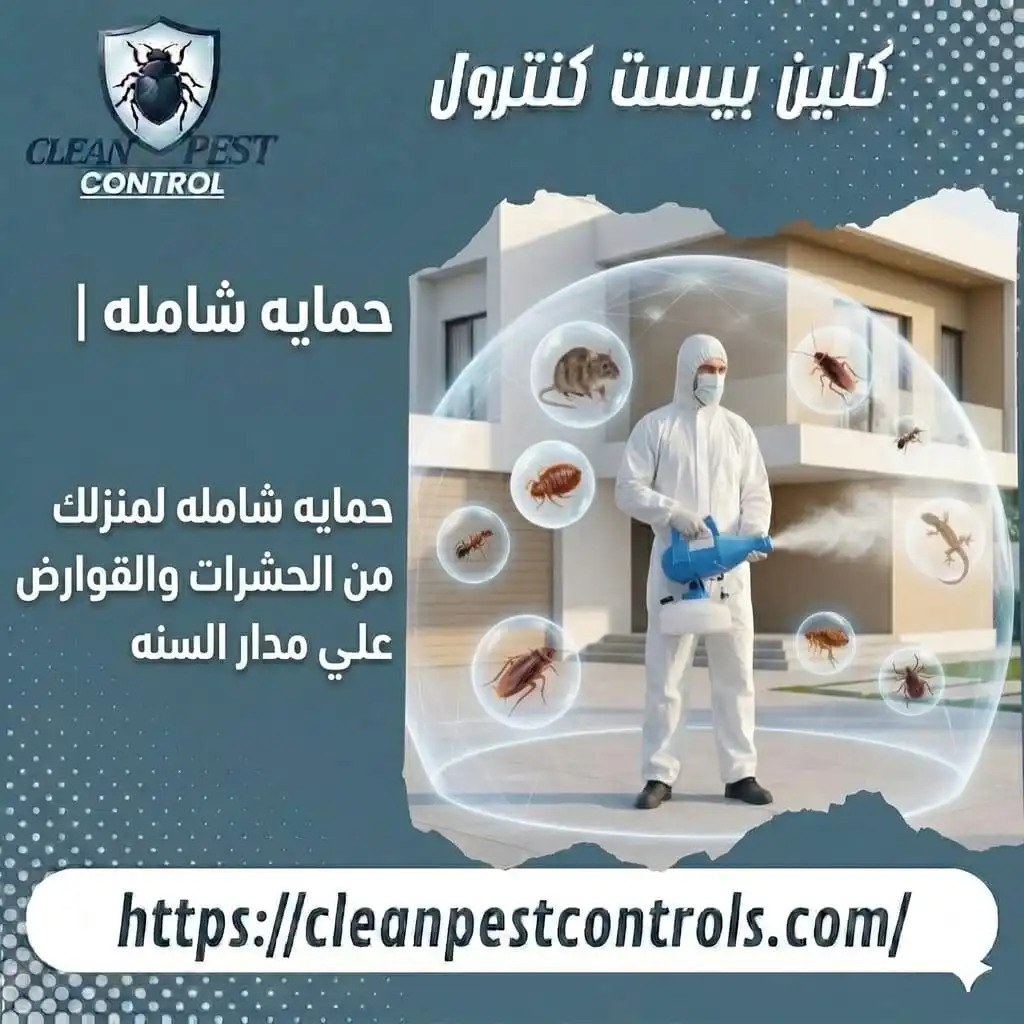
Rodents represent one of the most serious threats facing warehouses because they damage stored products, destroy packaging materials, chew electrical wiring and contaminate inventory with waste and bacteria. For this reason, Rodent Control for Warehouses requires a comprehensive management strategy that begins with identifying rodent activity before analyzing the structural conditions allowing rodents to enter the facility.
Professional inspections concentrate on loading docks, external access points, underground utility openings, service rooms and surrounding outdoor areas because these locations are commonly used by rodents when entering warehouses. Specialists also examine storage practices to identify environmental conditions encouraging rodent activity.
Successful rodent management depends upon continuous monitoring rather than a single treatment visit. Long-term inspection programs ensure that rodent activity remains under control while preventing reinfestation.
Professional Rodent Control for Warehouses programs include:
- Comprehensive inspection of all potential entry points.
- Monitoring rodent movement throughout the facility.
- Eliminating environmental conditions encouraging infestation.
- Scheduled follow-up inspections.
- Documentation of every inspection result.
- Continuous improvement of preventive strategies according to warehouse conditions.
Warehouse Pest Control Company
Choosing a professional Warehouse Pest Control Company should never be based solely on price. Experience managing large warehouses and logistics facilities is equally important because warehouse pest management requires a thorough understanding of storage systems, inventory movement and operational workflows while avoiding disruption to daily business activities.
Professional companies always begin with detailed site inspections before presenting customized preventive plans that clearly define inspection schedules, reporting procedures and long-term recommendations for reducing future pest risks. Coordination with warehouse management ensures that inspections are completed without interfering with loading, unloading or inventory operations.
Practical experience consistently demonstrates that companies relying on structured preventive management programs deliver significantly more stable long-term results than providers responding only after infestations become visible.
When selecting a Warehouse Pest Control Company, look for:
- Demonstrated experience serving warehouses and logistics facilities.
- Scheduled preventive inspection programs.
- Comprehensive technical reporting.
- Fast emergency response capabilities.
- Continuous monitoring throughout the contract period.
- Specialized warehouse pest management professionals.
Protecting Inventory from Insects

The primary objective of Protecting Inventory from Insects is not simply eliminating pests but preserving the quality and value of stored products until they reach customers. Modern preventive programs therefore focus on preventing insects from reaching inventory in the first place instead of treating damage after it occurs.
Comprehensive preventive strategies include maintaining proper storage conditions, monitoring sanitation standards, controlling moisture levels, evaluating inventory movement and routinely inspecting locations that may attract insects. Continuous inspections allow specialists to detect early signs of infestation before products become damaged.
Practical experience consistently shows that warehouses implementing these preventive practices experience significantly lower inventory losses while improving warehouse efficiency and reducing the financial impact of pest-related damage.
Professional Protecting Inventory from Insects programs include:
- Continuous preventive inspection of stored inventory.
- Monitoring environmental storage conditions.
- Early detection of pest activity.
- Maintaining sanitary storage environments.
- Regular reporting for warehouse management.
- Ongoing improvements to preventive storage practices.
Routine Pest Control for Factories
Successful Routine Pest Control for Factories is not measured by how often pest control products are applied, but by how effectively the program prevents infestations from developing in the first place. Large manufacturing facilities therefore rely on scheduled inspections carried out throughout the entire year. These routine visits provide continuous monitoring, allowing specialists to identify even minor changes in insect or rodent activity before they grow into problems capable of interrupting production or damaging valuable inventory.
Every scheduled inspection includes much more than a simple site visit. Previous inspection reports are carefully reviewed, current pest activity is compared with historical records and preventive strategies are updated whenever operational conditions change. Expanding production lines, increasing warehouse capacity, introducing new raw materials or modifying shipping procedures all require adjustments to the preventive management program to ensure that protection remains effective under changing circumstances.
Professional Routine Pest Control for Factories also gives management teams greater operational confidence because consistent preventive inspections reduce unexpected disruptions, improve facility preparedness for quality audits and create a healthier manufacturing environment capable of supporting uninterrupted production throughout the year.
A professional routine program includes:
- Scheduled inspections performed consistently throughout the year.
- Reviewing and comparing every inspection with previous reports.
- Continuous monitoring of high-risk operational areas.
- Updating preventive plans whenever factory operations change.
- Providing technical reports that support management decisions.
- Reducing the likelihood of unexpected pest-related disruptions.
Industrial Insect Control
Industrial Insect Control differs significantly from residential or commercial pest management because industrial environments contain production lines, heavy machinery, large warehouses, raw materials and loading facilities, all of which require specialized inspection methods. Rather than applying generalized solutions, professional industrial pest management is customized according to each manufacturing operation and its unique environmental conditions.
The process begins with evaluating production workflows, material movement, employee traffic and structural entry points before determining inspection priorities according to actual operational risks rather than simply the physical size of the facility. This targeted approach allows preventive resources to be allocated more efficiently while minimizing the possibility of pest activity spreading throughout different sections of the factory.
Field experience consistently demonstrates that factories implementing specialized Industrial Insect Control programs experience fewer production interruptions, lower emergency treatment costs and greater long-term operational stability than facilities relying solely on corrective pest control after infestations become visible.
Professional industrial insect control includes:
- Comprehensive analysis of industrial operations before planning begins.
- Identification of the highest-risk production and storage areas.
- Continuous monitoring of production facilities.
- Regular evaluation of operational pest risks.
- Complete documentation of inspections and corrective actions.
- Continuous improvement of preventive management strategies.
Warehouse Pest Eradication
Effective Warehouse Pest Eradication focuses on eliminating the root causes of infestation rather than simply treating visible pest activity. Every professional program begins with a complete inspection of the warehouse, followed by identifying infestation sources, locating breeding sites and preparing a comprehensive management strategy that combines immediate corrective actions with long-term preventive measures.
Special attention is given to inventory movement, shelving arrangements, storage conditions, spacing between pallets and incoming shipments because these operational factors often contribute to the spread of pests throughout warehouse facilities. Corrective recommendations are therefore integrated into the preventive management plan to reduce future infestation risks.
Practical experience confirms that the long-term success of Warehouse Pest Eradication depends upon continuous monitoring rather than one-time treatments. Regular inspections remain the most reliable way to protect inventory, minimize product damage and maintain stable warehouse operations.
Professional warehouse eradication programs include:
- Comprehensive inspections covering every warehouse section.
- Accurate identification of infestation sources.
- Immediate treatment of active pest locations.
- Long-term preventive strategies that reduce reinfestation.
- Scheduled follow-up inspections with documented results.
- Continuous improvements to warehouse storage conditions.
Why Is Clean Pest Control the Best Pest Control Company in Kuwait?
Clean Pest Control understands that factories and warehouses require highly specialized preventive solutions designed specifically for industrial environments. Instead of relying on standardized treatment programs or random service visits, every project begins with a comprehensive on-site inspection and a complete operational assessment before a customized preventive strategy is developed. Inspection schedules are then carefully organized according to production hours to ensure that pest management activities never interfere with manufacturing operations.
The company's experienced specialists have extensive practical knowledge working with different industrial sectors throughout Kuwait. Continuous inspections focus on production lines, storage facilities, loading areas and service rooms while providing detailed technical reports after every scheduled visit. These reports document facility conditions, completed procedures and practical recommendations that help management continuously improve preventive protection while reducing future pest risks.
What makes Clean Pest Control stand out?
- Customized preventive programs for factories and warehouses of every size.
- Comprehensive inspections before implementation begins.
- Long-term preventive strategies instead of temporary corrective treatments.
- Scheduled follow-up inspections throughout the contract period.
- Detailed technical reporting that supports continuous operational improvement.
- Rapid response combined with practical experience protecting industrial facilities and warehouse operations across Kuwait.
These advantages make Clean Pest Control a trusted long-term partner for factories and warehouses seeking reliable preventive pest management that protects inventory, supports uninterrupted production and delivers professional industrial solutions based on experience, planning and continuous improvement.
Conclusion
Pest management in factories and warehouses is no longer considered an optional maintenance service. It has become an essential part of quality management, operational risk reduction and inventory protection. A properly designed preventive program safeguards raw materials, protects finished products, minimizes production interruptions and strengthens customer confidence in product quality. By partnering with an experienced industrial pest management company that follows structured preventive schedules, businesses gain long-term operational stability, lower financial losses and a safer, more efficient working environment.
Frequently Asked Questions
Do all factories require routine pest management programs?
Yes. Continuous production activities, raw material storage and daily logistics increase the likelihood of pest activity. Routine preventive inspections help identify potential problems before they become significant operational risks.
What is the difference between warehouse pest control and factory pest control?
Warehouse pest control primarily focuses on protecting stored inventory and maintaining proper storage environments, while factory pest control also includes production lines, machinery, operational facilities and manufacturing processes, requiring a broader preventive management strategy.
How often should industrial pest inspections be performed?
Inspection frequency depends on the type of industrial activity, facility size and operational risk level. Following an initial assessment, specialists develop a customized inspection schedule that provides the most effective long-term preventive protection.
How do inspection reports benefit factory management?
Technical reports identify high-risk locations, document completed procedures and provide practical recommendations that help management reduce pest attractants while continuously improving operational hygiene and environmental conditions.
Why is an annual pest control contract better than requesting emergency services?
Routine preventive contracts stop infestations before they spread, provide continuous monitoring, reduce operational losses and help maintain stable production and inventory protection throughout the entire year.