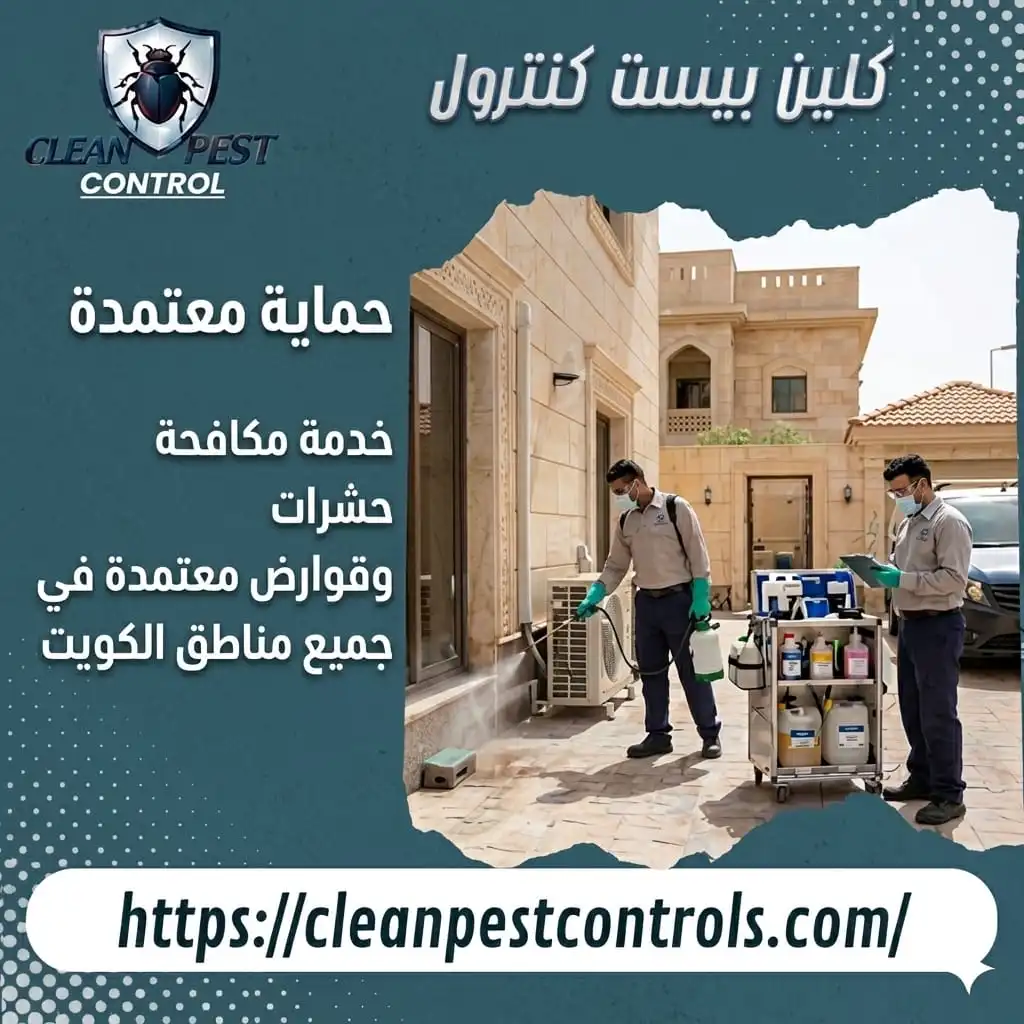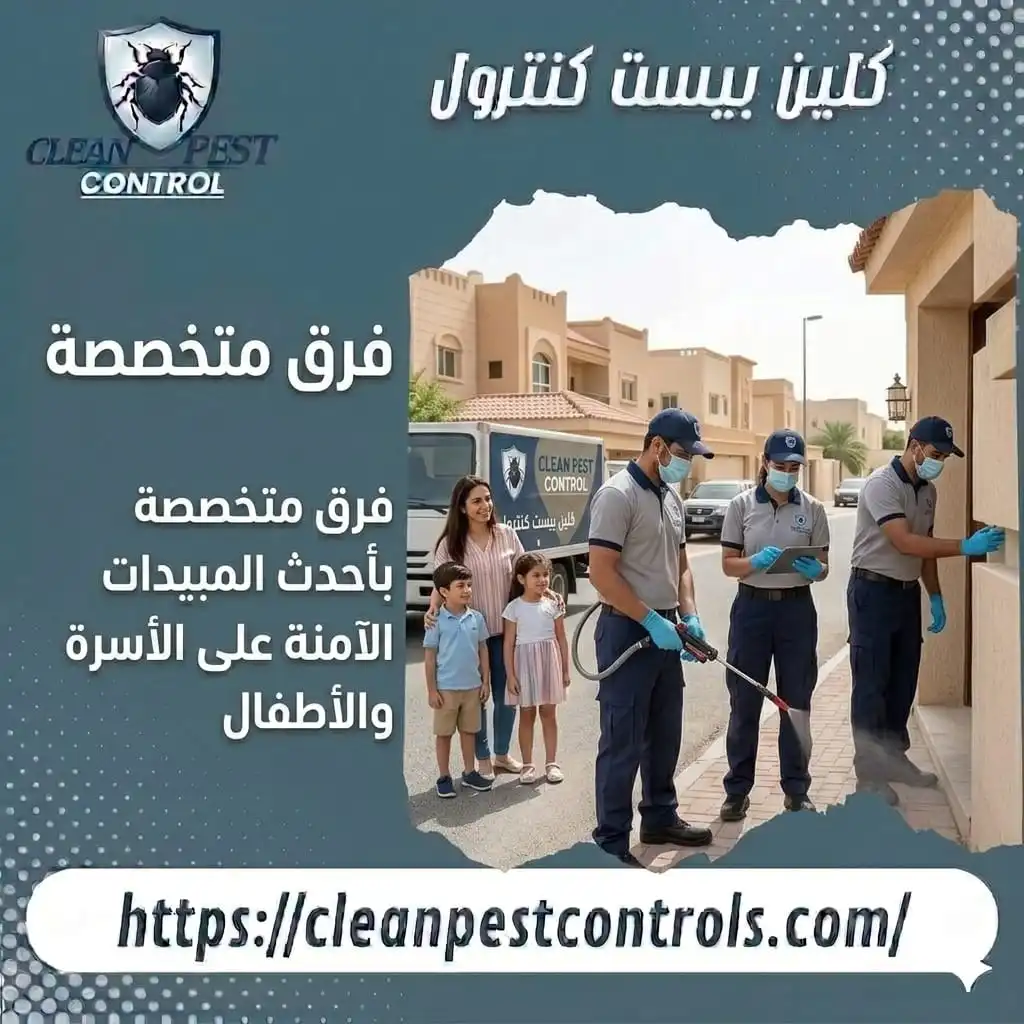
After completing the renovation of a new home, most homeowners focus on the final cleaning, installing furniture and preparing the property for move-in. However, there is one essential step that many people overlook even though it can protect the house from long-term problems for years to come: Pest Control After Renovation. The period immediately following construction and finishing work is very different from any other stage because renovations often leave behind small gaps, service openings, temporary moisture and construction residues that may create favorable conditions for insects if they are not addressed correctly. For this reason, carrying out a professional preventive pest control program before moving into the property is just as important as cleaning and, in many cases, even more valuable because it prevents problems before they begin and saves homeowners from expensive treatments in the future.
Pest Control After Renovation

Pest Control After Renovation is considered one of the most important steps to complete after finishing all construction work and before moving furniture into the property because the house is still completely empty. At this stage, pest control specialists can easily access every location that could become difficult to reach once furnishing has been completed. These areas include room corners, spaces behind kitchen cabinets, utility rooms, service areas, plumbing access points and locations that homeowners often overlook during their first inspection of the property.
The objective of Pest Control After Renovation is not only to eliminate existing pest activity but, more importantly, to establish a preventive protection program before any infestation has the opportunity to develop. During construction and finishing work, small structural openings, temporary gaps and leftover materials may provide insects with opportunities to enter the property. Addressing these issues before daily occupancy begins significantly reduces future risks.
Based on practical experience gained from preparing hundreds of newly completed homes throughout Kuwait, properties that receive a preventive pest management program immediately after renovation generally require far fewer emergency pest control visits during the first months of occupancy because the primary risk factors have already been professionally addressed.
Professional Pest Control After Renovation usually includes:
- Performing a complete inspection of the property before beginning any treatment.
- Evaluating every possible pest entry point throughout the home.
- Designing a preventive program based on the property's layout and finishing work.
- Completing treatment before furniture installation for maximum accessibility.
- Reviewing the quality of implementation after every stage has been completed.
- Providing homeowners with recommendations to help maintain long-term protection.
Beginning preventive pest control immediately after renovation gives every home a stronger start while reducing the likelihood of future pest problems.
Applying Pesticides After Construction
Applying Pesticides After Construction is very different from pest control performed inside occupied homes because the property remains empty, allowing technicians to access areas that may become completely hidden once furniture has been installed. The post-construction stage is therefore considered the ideal opportunity to inspect every section of the home and verify that no conditions remain which could encourage future pest activity.
Professional Applying Pesticides After Construction is not based on using larger quantities of pesticides. Instead, success depends on selecting the proper timing, applying treatments correctly and thoroughly evaluating the property before beginning any work. Every home differs in its design, number of rooms, service areas and overall layout, meaning that each preventive program should be customized rather than copied from another property.
Field experience consistently demonstrates that completing pesticide application immediately after construction and renovation significantly reduces both time and effort compared with performing the same work after the family has already moved in because technicians can work freely without moving furniture or rearranging rooms.
When carrying out Applying Pesticides After Construction, professionals focus on:
- Evaluating the property after every finishing activity has been completed.
- Inspecting kitchens, bathrooms and utility areas.
- Completing preventive treatment before furniture arrives.
- Selecting the most appropriate application method for the property.
- Reviewing every stage before final completion.
- Providing guidance to help preserve the effectiveness of the preventive program.
Choosing the correct timing greatly increases the effectiveness of preventive pest management while reducing the need for additional treatments after occupancy.
Disinfection After Renovation

Many homeowners assume that Disinfection After Renovation and pest control are the same service, but in reality they serve two completely different purposes. Disinfection focuses on sanitation and hygienic treatment whenever it is appropriate, while pest control is designed to prevent or eliminate insect activity. For this reason, professional companies always begin by assessing the property's actual condition before recommending any service, ensuring that homeowners receive exactly what the house needs instead of paying for unnecessary work.
Professional Disinfection After Renovation is also much more efficient before the family moves into the property because every room remains empty and fully accessible. Bedrooms, living areas, corridors, service rooms and utility spaces can all be treated without moving furniture or interrupting the preparation process. This allows the work to be completed more efficiently while ensuring that the property is fully prepared before occupancy begins.
Based on extensive field experience, the best results are achieved when every preparation stage follows the correct order. Renovation work should be completed first, followed by professional cleaning, then any required disinfection or preventive pest management based on the property's actual needs. Furniture installation and final handover should only take place after these important preparations have been completed.
When planning Disinfection After Renovation, professionals recommend:
- Evaluating the property's actual requirements before selecting any service.
- Understanding the difference between disinfection and pest control instead of confusing the two.
- Completing the service before furniture is moved into the property.
- Coordinating every stage of home preparation carefully.
- Conducting a final inspection after implementation has been completed.
- Following all recommendations provided by the professional service team.
Selecting the appropriate service after renovation helps prepare the property professionally while giving homeowners greater confidence before moving into their new home.
Preparing a New Home
Preparing a New Home involves much more than installing lighting, switching on the air conditioning or cleaning the floors after renovation. Proper preparation begins with a structured plan covering every important task that should be completed before the family moves in. One of the most valuable steps in that process is implementing a preventive pest control program at the correct time because the house remains empty, allowing technicians to reach every corner and location that may later become hidden behind furniture and household appliances.
Professional Preparing a New Home also helps homeowners avoid common mistakes such as moving furniture into the property before completing preventive treatments or beginning daily occupancy only to discover later that additional services must be performed. These situations often create unnecessary inconvenience while increasing both time and costs.
Through practical experience, properties prepared according to a logical sequence—construction, renovation, cleaning, preventive pest control and finally furniture installation—are generally much better prepared for long-term occupancy and require fewer corrective interventions during the first months after moving in.
When Preparing a New Home, professionals recommend:
- Confirming that all construction and finishing work has been fully completed.
- Removing every renovation residue before beginning preventive treatments.
- Scheduling pest control before furniture is delivered.
- Reviewing all plumbing, electrical and utility systems.
- Performing a complete final inspection before accepting the property.
- Keeping all professional recommendations for future reference.
Completing every preparation stage in the correct order allows homeowners to move into their new house with greater comfort while reducing the possibility of unexpected issues after occupancy.
Protecting the House After Renovation
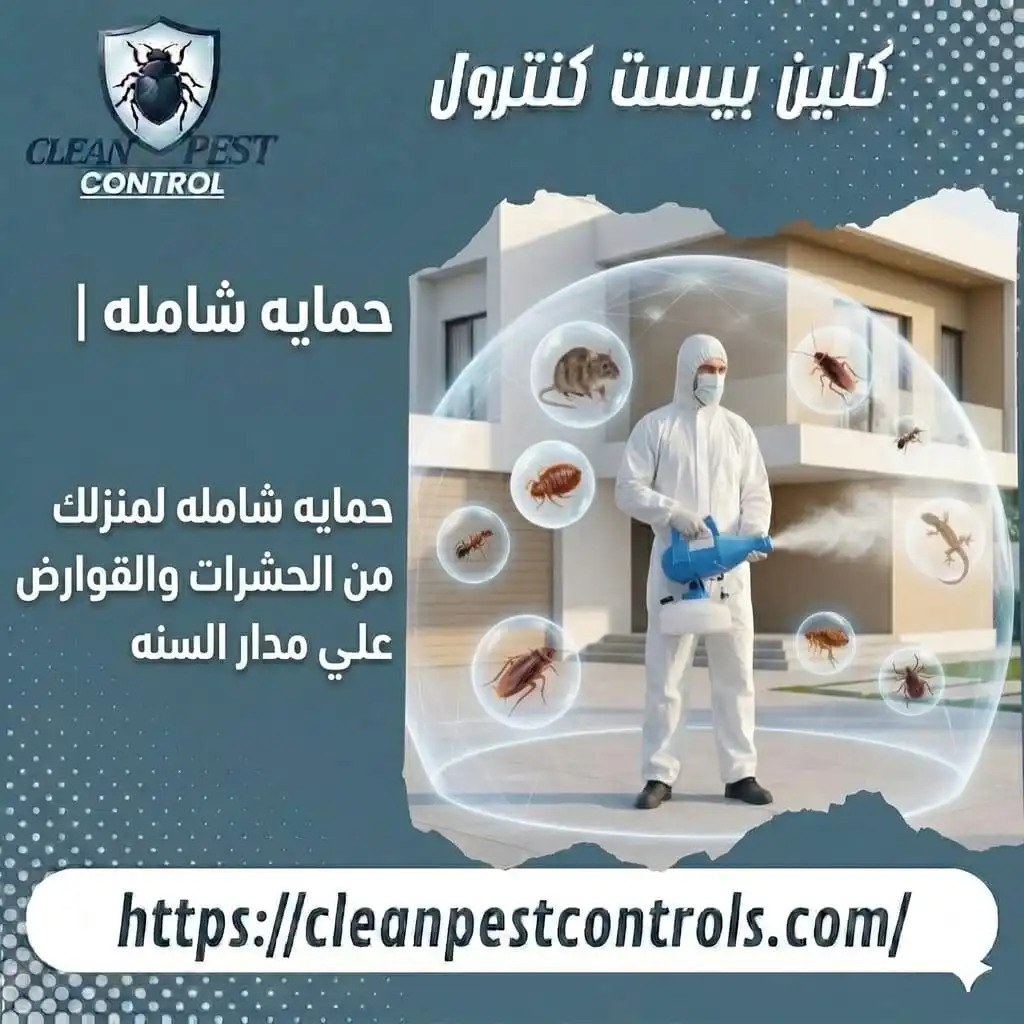
Protecting the House After Renovation is a proactive step intended to preserve the property before everyday living begins. Newly completed homes have gone through multiple construction stages that may leave temporary openings, service penetrations or structural gaps which could later allow insects to enter if they are not properly addressed.
Professional Protecting the House After Renovation is not limited to pesticide application alone. It also includes reviewing possible pest entry points, checking doors and windows, inspecting plumbing and electrical penetrations and ensuring that unnecessary structural openings have been properly sealed before the family moves into the property.
Practical field experience has shown that homeowners who invest in this stage usually experience fewer pest-related problems during the first years of occupancy because preventive measures have already addressed many of the conditions that might otherwise develop into larger issues.
To achieve effective Protecting the House After Renovation, professionals recommend:
- Completing a preventive pest management program immediately after renovation.
- Reviewing every possible pest entry point throughout the property.
- Correcting any observations identified during the inspection.
- Maintaining excellent cleanliness before occupancy.
- Following preventive recommendations after moving into the property.
- Scheduling periodic inspections whenever appropriate.
Early prevention protects both the value of the property and the comfort of the family while significantly reducing the likelihood of future pest issues.
Pest Control for Villas
Pest Control for Villas after renovation requires a completely different strategy from pest control for apartments because villas usually include gardens, courtyards, service buildings, storage rooms and large outdoor areas that directly influence how a preventive pest management program should be designed. For this reason, professional companies never rely on a standard treatment plan. Instead, they begin with a comprehensive inspection of every section of the villa before preparing a customized preventive strategy.
Professional Pest Control for Villas does not focus solely on the interior of the property. Equal attention is given to the surrounding outdoor environment because effective prevention depends on understanding the entire property rather than treating indoor spaces alone. Gardens, external utility areas, boundary walls and surrounding conditions are all considered when developing a successful long-term preventive program.
Based on extensive practical experience preparing newly completed villas across Kuwait, implementing preventive pest control before the family moves in allows technicians to inspect and treat every important area efficiently while the property is still empty. This provides better protection and minimizes the need for additional pest control services after occupancy.
Professional Pest Control for Villas usually includes:
- Inspecting every indoor and outdoor section of the villa.
- Evaluating gardens, courtyards and utility areas.
- Designing a preventive program tailored to the property's layout.
- Completing treatment before furniture installation.
- Reviewing the quality of implementation after completion.
- Providing future maintenance recommendations based on the villa's specific requirements.
Every villa has its own unique design, which is why successful preventive pest management always begins with a detailed site inspection rather than applying one standard solution to every property.
Spraying New Homes
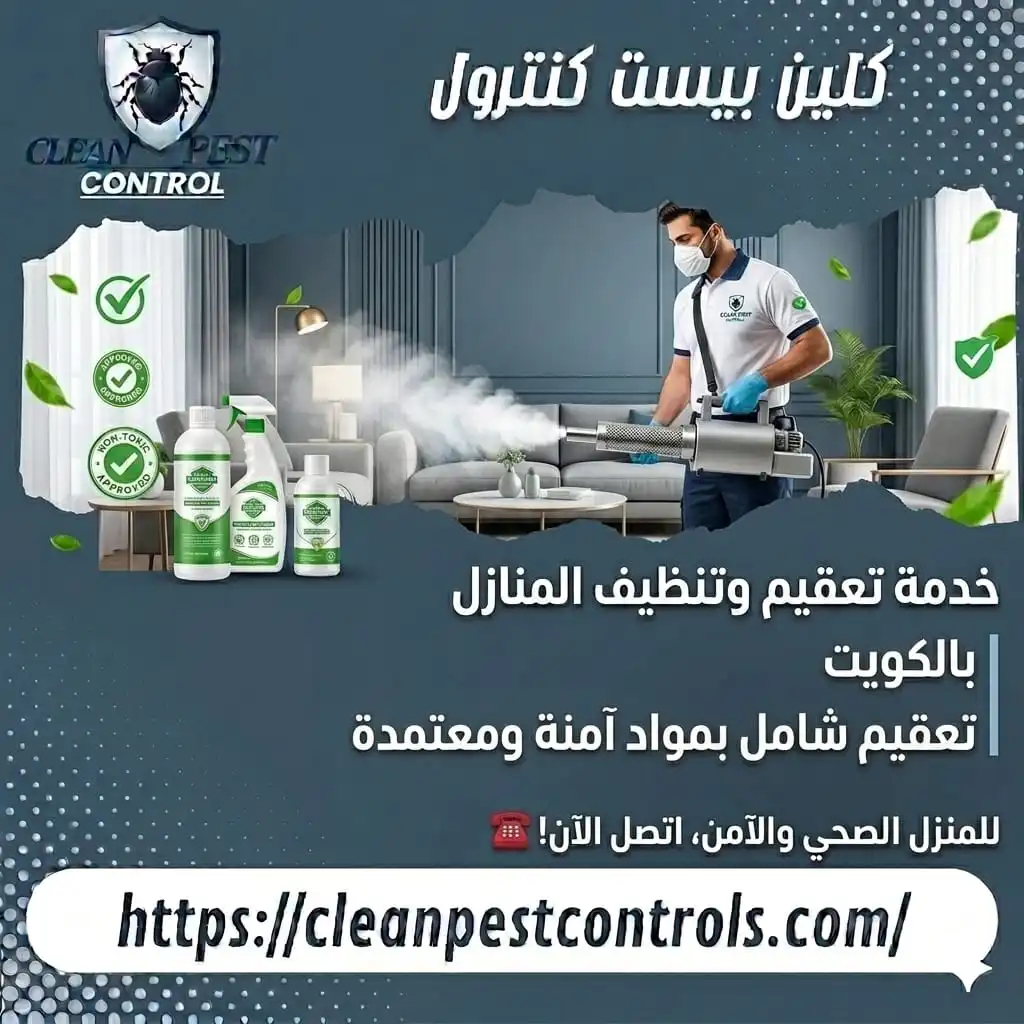
Spraying New Homes is an important preventive step after renovation has been completed and before everyday living begins because this stage offers pest control specialists the ideal working conditions. The property remains completely empty, allowing technicians to reach walls, corners, service areas and structural locations that may later become inaccessible once furniture has been installed.
Professional Spraying New Homes is not simply about carrying out pesticide application. The process begins by studying the property's design, number of rooms, service facilities, access points and future usage. A multi-story villa requires a different preventive approach from a small residential house, while every property's characteristics determine how the treatment program should be designed.
Field experience has consistently shown that performing preventive spraying during this preparation stage greatly reduces the likelihood of requiring additional pest control services during the first months after moving in because all critical locations can be treated before they become obstructed by furniture and household belongings.
When performing Spraying New Homes, professionals focus on:
- Inspecting the entire property after renovation has been completed.
- Selecting the proper timing before furniture delivery.
- Implementing a preventive program suited to the home's design.
- Confirming that every important area has been properly treated.
- Conducting a final quality inspection after implementation.
- Providing homeowners with recommendations to help maintain long-term protection.
The greatest benefit of preventive spraying is achieved when it is completed before occupancy rather than after the family has already settled into the home.
Eliminating Insects After Construction
Eliminating Insects After Construction differs significantly from treating active infestations inside occupied homes because the objective is to prevent future problems rather than respond to existing ones. During the post-construction stage, temporary conditions such as renovation residues, service openings and unused structural spaces may create favorable environments for insects if they are not professionally addressed before occupancy.
Professional Eliminating Insects After Construction is therefore based on a complete property assessment rather than pesticide application alone. Specialists inspect locations that could later become insect entry points or potential hiding places before selecting preventive measures that match the home's design and construction characteristics.
Practical field experience demonstrates that many newly completed homes prepared through this preventive approach begin occupancy without requiring additional pest control interventions during the first months because most potential risk factors have already been professionally managed.
Professional Eliminating Insects After Construction generally includes:
- Performing a complete assessment after construction has been completed.
- Inspecting service areas, utility penetrations and structural openings.
- Preparing a customized preventive program for the property.
- Completing implementation before regular occupancy begins.
- Reviewing the quality of work after completion.
- Providing future maintenance recommendations whenever necessary.
Every newly constructed property requires an individual evaluation because no two homes share exactly the same construction conditions or renovation details.
Cleaning and Disinfection After Renovation
Many homeowners consider Cleaning and Disinfection After Renovation to be the final step before moving into a new property. While these services are undoubtedly important, it is essential to understand that cleaning and disinfection do not replace a professional preventive pest control program whenever the property's condition requires one. Each service has a different objective, which is why experienced companies always begin with a thorough inspection before determining the correct sequence of work.
Professional Cleaning and Disinfection After Renovation begins by removing construction debris, renovation dust and all remaining finishing materials. After the property has been properly cleaned, specialists evaluate whether the home requires disinfection, preventive pest control or a combination of both depending on the property's condition and stage of preparation.
Based on practical field experience, organizing these services in the correct order saves homeowners both time and unnecessary expenses. It also helps ensure that the property is fully prepared before furniture is installed, eliminating the need to repeat certain procedures after the family has already moved into the house.
Professional Cleaning and Disinfection After Renovation usually includes:
- Removing every trace of construction and renovation debris before beginning any additional service.
- Assessing the property's individual requirements.
- Carrying out disinfection or preventive pest management according to the inspection results.
- Coordinating every stage of home preparation professionally.
- Conducting a final inspection after all work has been completed.
- Following the recommendations provided for each service before occupancy.
Completing every preparation stage in the proper sequence provides homeowners with the best possible results while ensuring the property is fully ready for everyday living.
Preventive Pest Control
Preventive Pest Control is based on one of the most successful principles in modern pest management: preventing a problem before it develops rather than waiting until insects become visible and then beginning treatment. After renovation has been completed, this period represents the ideal opportunity to establish a comprehensive preventive program because every part of the property remains accessible and free from furniture or other obstacles.
Professional Preventive Pest Control does not involve applying larger quantities of pesticides or performing unnecessary treatments. Instead, specialists begin by studying the property, evaluating potential risk factors and identifying structural conditions before selecting the most appropriate preventive strategy. Every home has its own design, surrounding environment and service layout, making a customized program far more effective than a standard treatment plan.
Extensive practical experience preparing newly completed homes and villas throughout Kuwait has consistently shown that properties protected through professionally designed preventive programs require significantly fewer emergency pest control services during the first years of occupancy because the major risk factors have already been addressed before the family moves in.
Professional Preventive Pest Control generally includes:
- Conducting a complete property inspection before beginning any treatment.
- Identifying every possible insect entry point.
- Selecting the preventive program that best matches the property's layout.
- Completing implementation before the family moves into the home.
- Providing practical recommendations for maintaining long-term protection.
- Suggesting periodic follow-up inspections whenever appropriate.
Preventive pest management is not an optional extra—it is a long-term investment that protects both the property and the comfort of everyone living inside it.
Why Is Clean Pest Control the Best Pest Control Company in Kuwait?
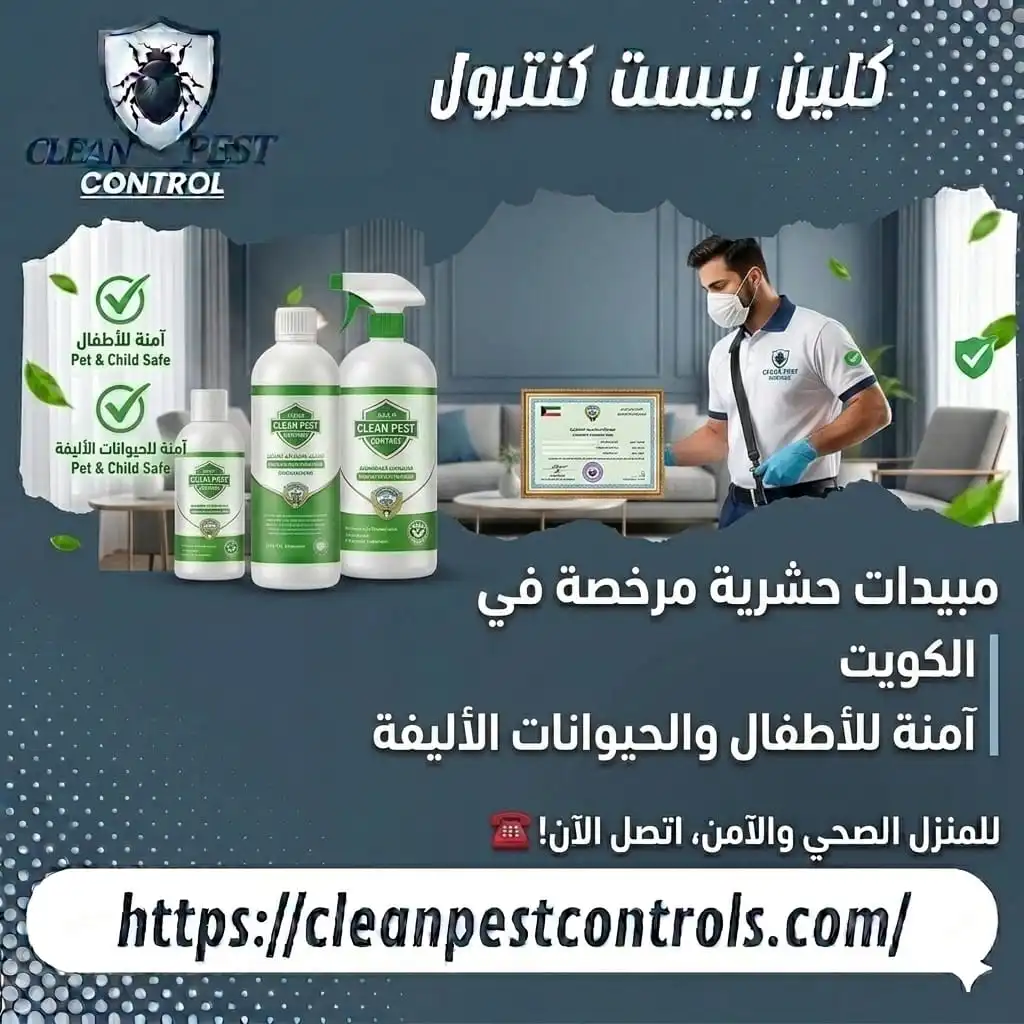
Clean Pest Control stands out because it never applies the same treatment plan to every customer. Every project begins with a detailed property inspection to understand the home's condition, its stage of preparation and whether it is a newly renovated house, a villa ready for occupancy or a fully furnished apartment. Based on this assessment, the company develops a customized preventive program instead of relying on generalized solutions that may not deliver the best results.
The company is supported by experienced specialists who understand every stage of preparing newly completed homes. Their knowledge allows them to identify the most suitable timing for preventive pest control while coordinating smoothly with renovation, cleaning and moving schedules without disrupting the homeowner's preparations.
After many years of serving residential properties throughout Kuwait, Clean Pest Control has earned the trust of homeowners through punctual service, transparent communication, detailed property assessments and carefully planned preventive programs. Every recommendation is based on actual site conditions rather than assumptions, and customers continue to receive professional guidance even after the work has been completed.
What makes Clean Pest Control different includes:
- Comprehensive property inspections before every project.
- Customized preventive programs designed for each individual home.
- Extensive experience preparing newly completed houses and villas.
- Professional implementation following high-quality standards.
- Commitment to schedules and reliable customer service.
- Ongoing recommendations that help homeowners preserve the effectiveness of preventive protection.
These strengths have made Clean Pest Control one of Kuwait's most trusted choices for homeowners seeking professional preventive pest management before moving into a newly renovated property.
Conclusion
Completing a home renovation often feels like the end of a long journey, but in reality, proper preparation begins with the decisions made before moving into the property. Cleaning alone is not enough if preventive pest management is overlooked because preventing future infestations is always easier, more effective and less expensive than treating established problems after occupancy. When a professionally designed preventive program is implemented following a thorough property assessment and at the correct stage of preparation, homeowners can move into their new home with greater confidence while significantly reducing the likelihood of future pest issues. Combining quality renovation, professional cleaning and carefully planned preventive pest control provides the strongest possible foundation for protecting both the home and the family's long-term comfort.
Frequently Asked Questions
Does cleaning after renovation replace pest control?
No. Cleaning removes construction dust and renovation debris, while preventive pest control is specifically designed to reduce the likelihood of future insect activity through a professionally planned protection program.
When should pest control be performed after renovation?
The ideal time is after all renovation and cleaning work has been completed but before furniture is moved into the property. This allows technicians to access every important area more efficiently.
Do all newly renovated homes require the same pest control program?
No. Every property differs in its design, size, surrounding environment and structural characteristics. A professional inspection is necessary to develop the most appropriate preventive program.
Is pest control for villas different from pest control for apartments?
Yes. Villas usually include gardens, courtyards, service buildings and outdoor areas that require additional evaluation and preventive measures beyond those typically needed for apartments.
Why is preventive pest control better than waiting until after moving in?
Because addressing potential risks before occupancy greatly reduces the likelihood of future infestations and eliminates the inconvenience of performing pest control after furniture has already been installed and the family has settled into the home.